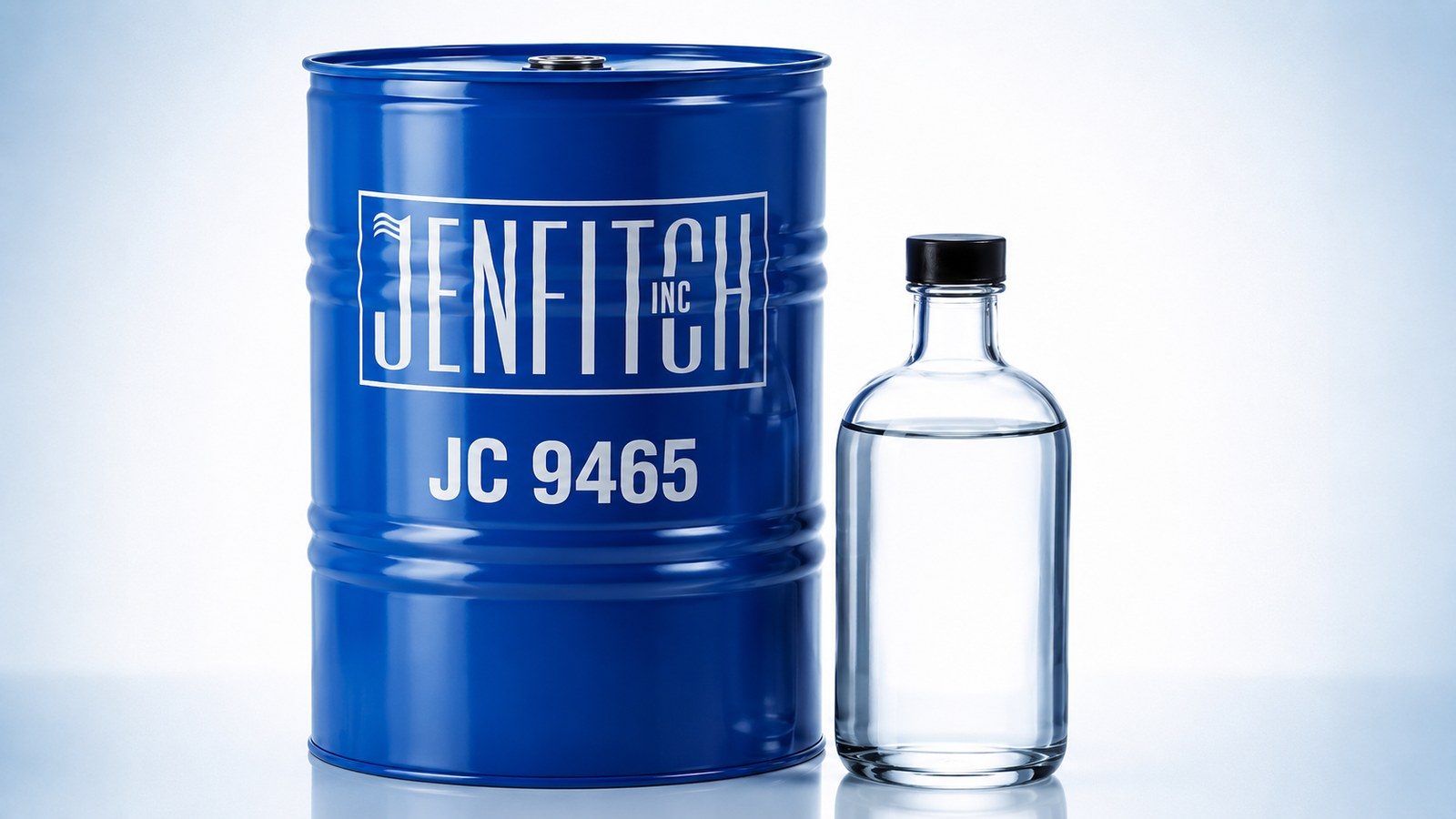
Jenfitch, Inc of Walnut Creek, CA developed JC 9465, an advanced oxidant that uses mineral oxychloride technology to generate reactive oxygen species (ROS). The product is NSF Standard 60 approved up to 84 mg/l and delivers a broad range of water treatment benefits while cutting costs.
What is ROS?
Reactive oxygen species are highly reactive oxidants generated by JC 9465's mineral oxychloride chemistry. They effectively address many of the toughest challenges in surface water treatment.
Key benefits
- Lowering TOC (total organic carbon)
- Reducing THM's and HAA5's
- Eliminating taste and odors
- Controlling harmful algal blooms
- Improving coagulation and flocculation
- Eliminating biofilm formation
- Enhancing primary disinfectant effectiveness
Oxidation potential comparison
JC 9465's oxidation potential rivals that of the hydroxyl radical and far exceeds conventional oxidants (Ev values):
- Hydroxyl radical ion: 2.6-2.8
- Mineral oxychloride: 2.6-2.8
- Ozone: 2.04-2.07
- Permanganate: 1.67
- Hypochlorous acid: 1.49
- Chlorine gas: 1.36
- Chlorine dioxide: 0.95
Case study results
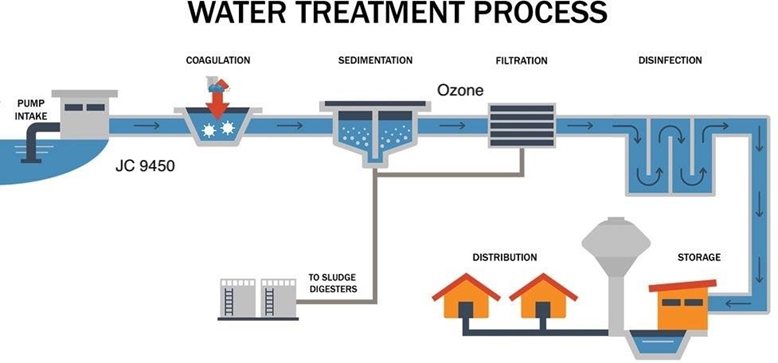
At a 10 mgd facility in Northern California dosing 8-10 mg/l, JC 9465 produced substantial improvements:
- Settled water turbidity: +70.0%
- Filtered water NOM: +61.4%
- Filtered water TOC: +50.0%
- Filtered water bromate: +79.8%
- TTHM's: +56.5%
- HAA5's: 100.0%+
- Taste and odor complaints: 15+ down to 0
City of Martinez study
At the City of Martinez, where Chris Kania serves as plant manager, JC 9465 reduced both energy and chemical demand while improving water quality:
- Ozone generator operation reduced from 110%+ to 40% of rated capacity
- Energy consumption decreased 50-60%
- Chlorine consumption reduced 40%
- Bromate levels dropped from 18 µl/l to <1.0 µl/l (the state and federal limit is 10 µl/l)
- Maintained a 0.20-0.30 mg/l ozone residual at a 10 mgd flow rate
Ozone generator operation dropped from 110%+ to 40% of rated capacity, cutting energy consumption 50-60% and chlorine consumption 40%.
Enhanced coagulation outcomes
After JC 9465 was implemented, coagulation adjustments yielded:
- Settling basin pH: 6.8-6.9 (improved control)
- Settled water turbidity: 0.70 NTU to 0.21 NTU
- Filtered water turbidity: 0.06 NTU to 0.02 NTU
- Filtered water TOC: 2.2 mg/l to 1.1 mg/l
Additional improvements
- Biofilm and algae growth eliminated
- Sludge easier to dewater
- Disinfection by-products reduced significantly
- TOC removal reached 70%, up from a previous 52%
Have a water challenge like this?
Talk to Jenfitch about JC 9465, safety data sheets, or scoping a treatment program for your facility.
Contact Us