Mineral Oxychloride Technology

A liquid mineral oxychloride chemistry that delivers ozone-class oxidation — without dissolving a gas in water — at less than one percent of the cost of a conventional ozone system.

Approved, certified & independently validated

UC DavisUniversity of WashingtonSpecial Pathogen LaboratoryMontana State UniversitySawtooth Ag ResearchGreenAgri SolutionsSouthern California EdisonGoleta Water District

The Chemistry

Ozone-class oxidation, delivered as a ready-to-use liquid.

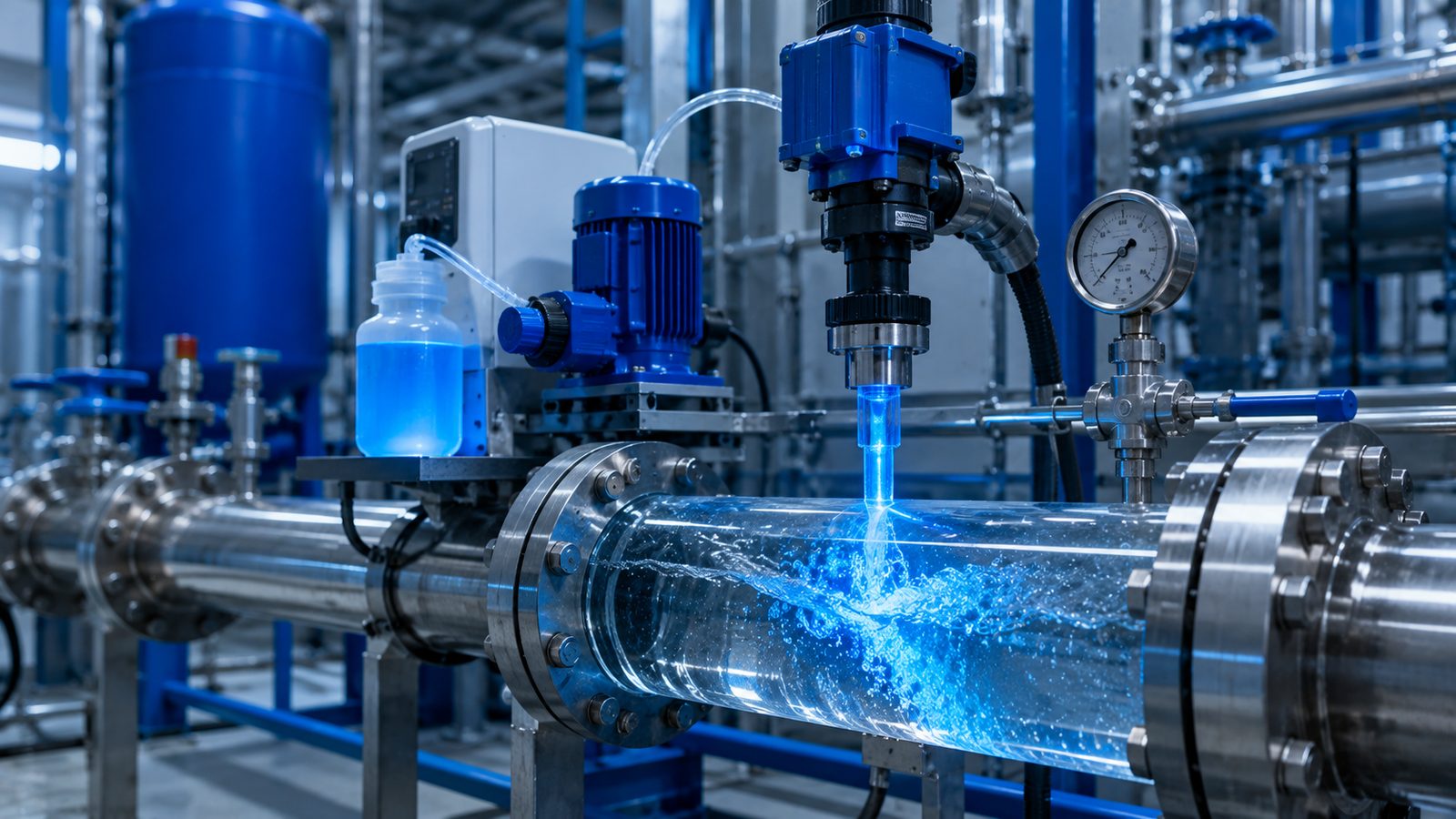
Mineral oxychloride is a liquid chelation of minerals with oxygen, expressed as MxOxClt. The oxygen atoms are weakly bound, so on contact with water and contaminants the complex releases them and generates a family of reactive oxygen species (ROS). The idea was first explored in the early 1900s, but it could only be measured and controlled once modern oxidation-reduction potential (ORP) instruments arrived late in the twentieth century. Jenfitch, founded in 2008, brought the chemistry to market as JC 9450 in 2013 and later as the EPA/USDA-registered flagship JC 9465.

The ROS family generated includes the superoxide anion (O2), the hydroxyl radical (OH•), singlet or nascent oxygen (1O2), hydroperoxyl (HO2), and hydrogen peroxide (H2O2). Together these give the product an oxidation potential of 2.8–2.9 V — second only to fluorine and on par with the hydroxyl radical itself. Because the reaction is effectively catalytic, the mineral-oxide by-products are mildly biocidal (they resist recontamination) and remain below FDA limits. The product is 100% water-soluble and ready to use.

The catalyzed reaction

Sodium hypochlorite alone dissociates to hypochlorous acid, hypochlorite ion, and a small amount of hydroxyl radical: NaOCl → HOCl + OCl + OH•. With the Jenfitch mineral catalyst present, the same feed is driven further — Catalyst + NaOCl → HOCl + OCl + OH• + M complexes — producing the broader ROS spectrum and the much higher effective oxidation potential.

i

Controlled by ORP, not just dose

Oxidation-reduction potential (measured in millivolts) is the practical control variable. Kill efficacy tracks ORP rather than parts-per-million alone, so treatment can be metered precisely to the target barrier for each process.

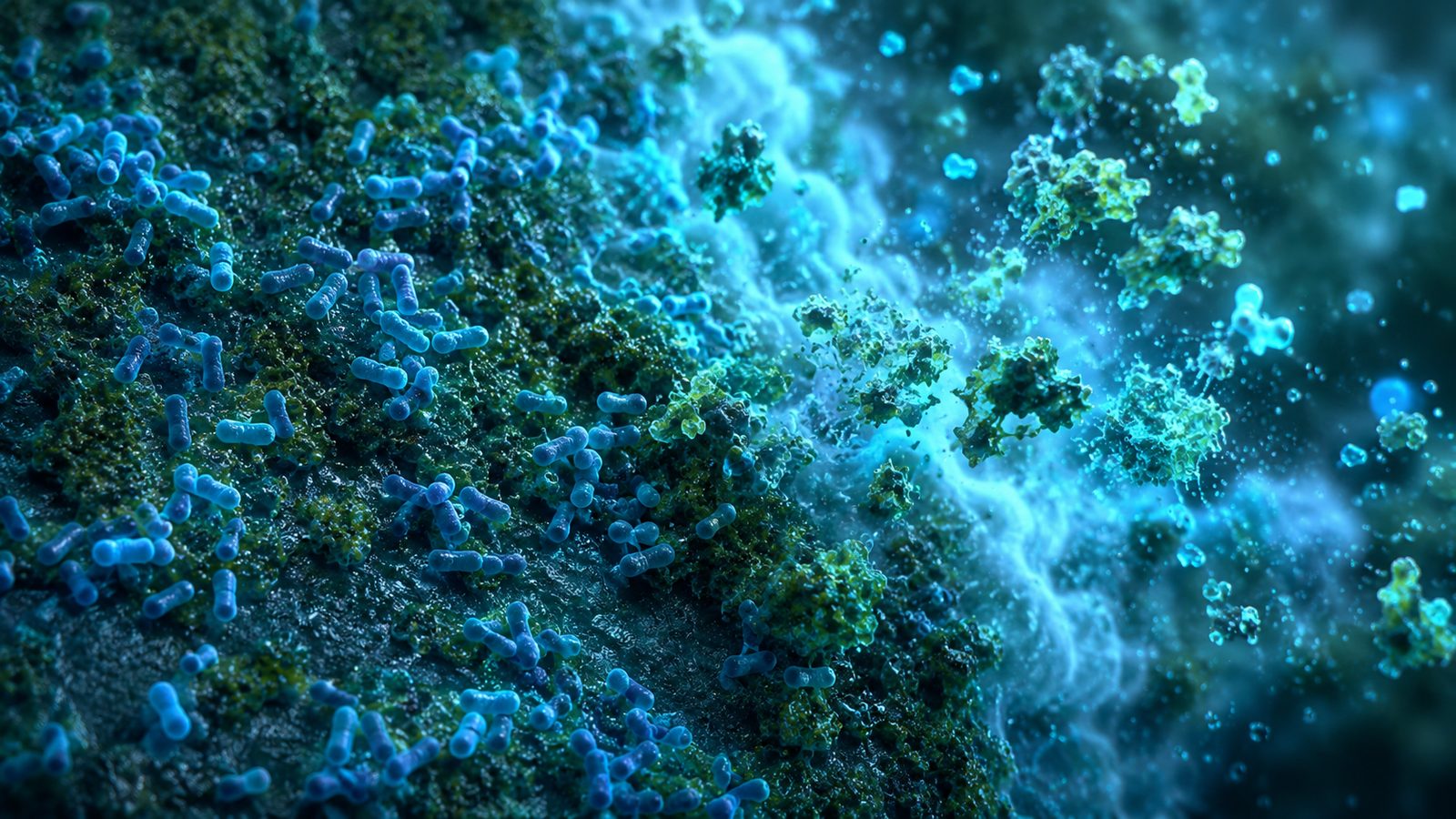
Reactive oxygen species oxidation in water

Oxidation Power

Above ozone, well above chlorine.

Oxidation potential is the measure of how aggressively an oxidant strips electrons from contaminants. Mineral oxychloride sits at 2.8–2.9 V — higher than ozone (2.07 V), far higher than chlorine dioxide (1.57 V), chlorine (1.36 V), or sodium hypochlorite (0.94 V).

That places it in the same class as the hydroxyl radical used in advanced oxidation, but delivered as a stable liquid rather than a gas that must be generated on site.

Reference Data

Oxidation potential of common oxidants.

Standard oxidation potentials. Source: Jenfitch technical documentation.
OxidantOxidation potential (V)
Fluorine3.06
Hydroxyl radical (OH•)2.80
Mineral oxychloride (JC 9465)2.8–2.9
Ozone2.07
Chlorine dioxide1.57
Chlorine1.36
Sodium hypochlorite0.94

Disinfection Benchmark

Higher ORP means fewer surviving organisms.

Because the chemistry is metered to ORP, the relationship between the millivolt target and the surviving bacterial count is predictable. The table below shows the benchmark used to set disinfection and sterilization barriers.

ORP-to-CFU benchmark. Source: Jenfitch technical documentation.
ORP (mV)Surviving count (CFU/100 mL)Effect
+200300Partial reduction
+30036Reduction
+4003Strong reduction
+6000Disinfection
+8000Sterilization
i

6-log kill in under 10 seconds

Holding ORP above roughly +700 mV delivers a 6-log pathogen reduction in less than ten seconds of contact — the basis for the disinfection barrier used in food-safety and post-harvest applications.

Dose Efficiency

Less oxidant per unit of contaminant.

Typical dose ratios by contaminant class. Source: Jenfitch technical documentation.
Contaminant classMineral oxychloride doseReference
Inorganics<1.0 mg/L per mg/LChlorine typically ~6 mg/L
Pathogens1.0 mg/L per 1,000–10,000 mg/LHighly leveraged
Organics1.0–8.0 mg/L per mg/LVaries with load

Pathogen Efficacy

Salmonella inactivation vs. hypochlorite.

In a 30-minute contact test starting from a heavy challenge of 2.0×10⁷ CFU/mL of Salmonella enterica, JC 9465 at just 2 ppm matched what sodium hypochlorite required 100 ppm to achieve — roughly a fiftyfold difference in dose.

Salmonella enterica, 30-min contact, 2.0×10⁷ CFU/mL start. Source: Jenfitch efficacy testing.
TreatmentDoseLog reduction
JC 94652 ppm6.60 log
Sodium hypochlorite10 ppm2.02 log
Sodium hypochlorite100 ppm6.49 log
Across biofilms, bacteria, viruses, and spores, the technology is reported 12–24× more effective than chlorine.

By The Numbers

Why operators choose it.

2.8–2.9 VOxidation potential — above ozone
<1%Of the cost of an ozone system for equivalent oxidation
Shelf life vs. sodium hypochlorite (6 months vs. ~30 days)
12–24×More effective than chlorine on biofilm & pathogens

Ozone & Chlorine, Replaced

The oxidation of ozone without the ozone system.

No gas to generate or handle

Ozone must be generated on site and dissolved into water, with the capital, power, and safety burden that implies. Mineral oxychloride ships as a stable liquid that meters straight into the stream — at less than one percent of the cost of an equivalent ozone installation.

A residual that ozone can’t leave

Ozone dissipates almost immediately, so it offers no protection against recontamination. The mineral-oxide by-products of this chemistry are mildly biocidal and persist as a residual barrier — useful for cooling loops, reuse water, and mussel control alike.

Longer shelf life than hypochlorite

The product holds a six-month shelf life versus roughly thirty days for sodium hypochlorite — a 6× improvement that reduces waste, restocking, and dosing drift.

Far lower dose than chlorine

On inorganics the product works at under 1.0 mg/L per mg/L where chlorine can need about 6 mg/L, and it reaches sterilization-grade ORP where chlorine cannot go.

Approvals

Registered, certified, and organic-approved.

  • EPA FIFRA registered — JC 9465 registered under the Federal Insecticide, Fungicide, and Rodenticide Act (2020).
  • USDA NOP Organic certified — JC 9465 certified under the National Organic Program, 7 CFR Part 205 (2021).
  • USEPA water approved — cleared for water treatment applications.
  • NSF/ANSI Standard 60 certified — JC 9450 certified for drinking-water treatment at a maximum dose of 84 mg/L.

JC 9465 Applications

One technology, many demanding environments.

Cooling tower

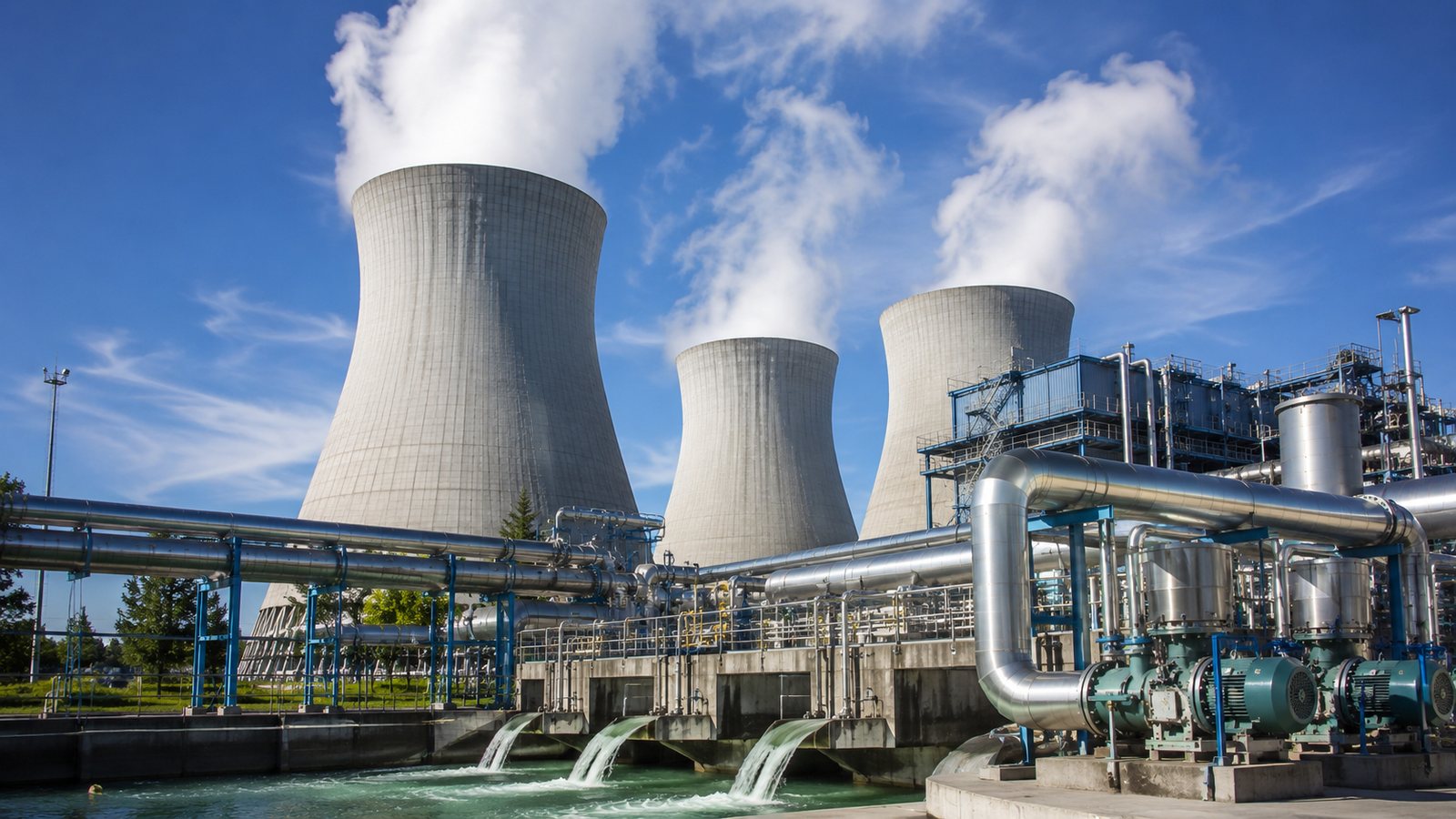
Cooling Towers

Bacteria and organic deposits can lower heat-transfer rates significantly. JC 9465 helps prevent biofouling and scale; ORP control at +400 to +500 mV supports CFU below 100.

Learn more
RO system

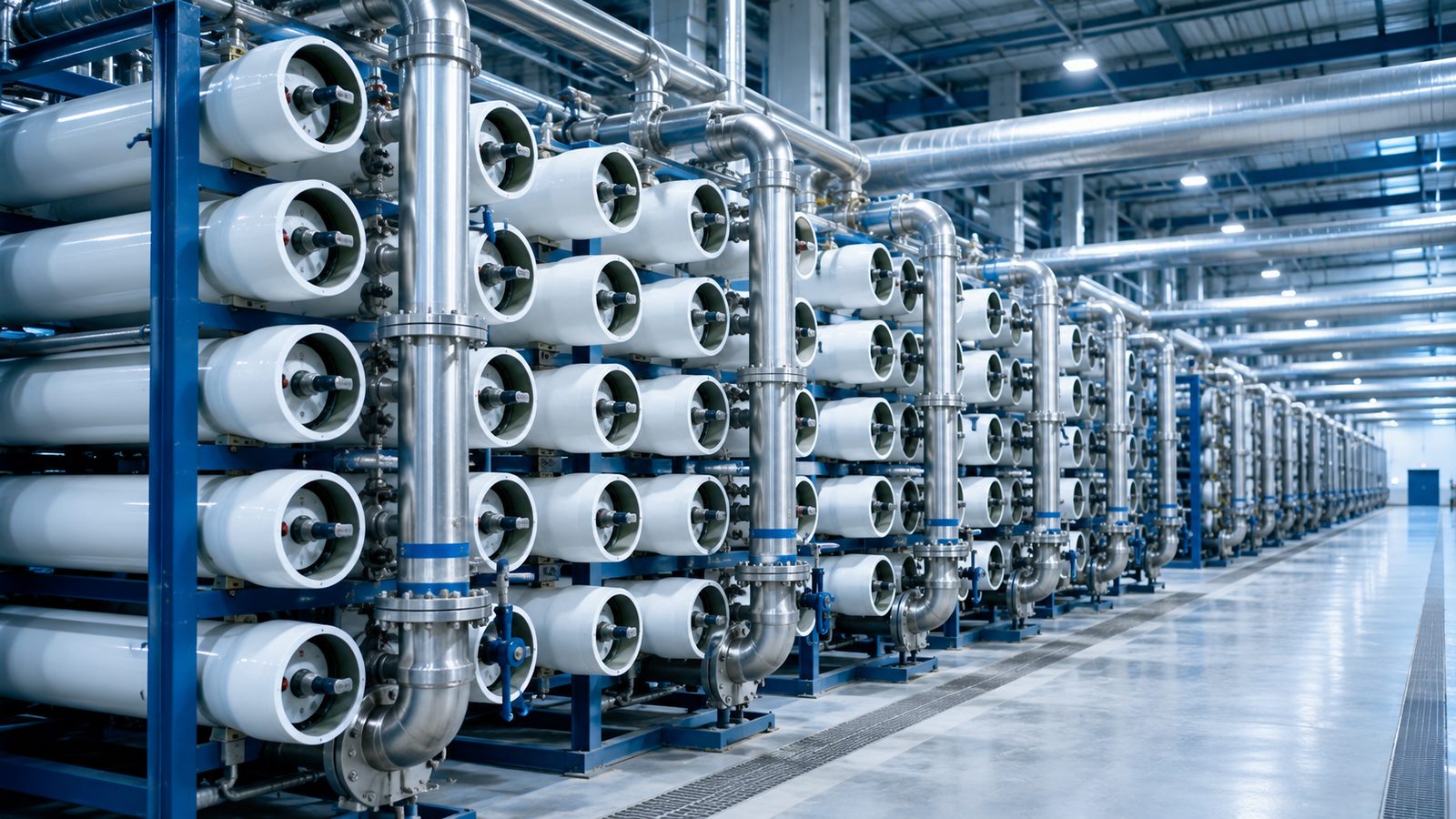
RO Systems

Serves as pre- and post-treatment to prevent biofouling — a high-strength oxidant in the same family as ozone but at much lower capital and operating cost.

Learn more
Biofilm

Biofilm

Destroys extra-polymeric substance (EPS) at ORP levels above +600 mV, removing the biofilm that protects pathogens across water, wastewater, and oil & gas.

Learn more
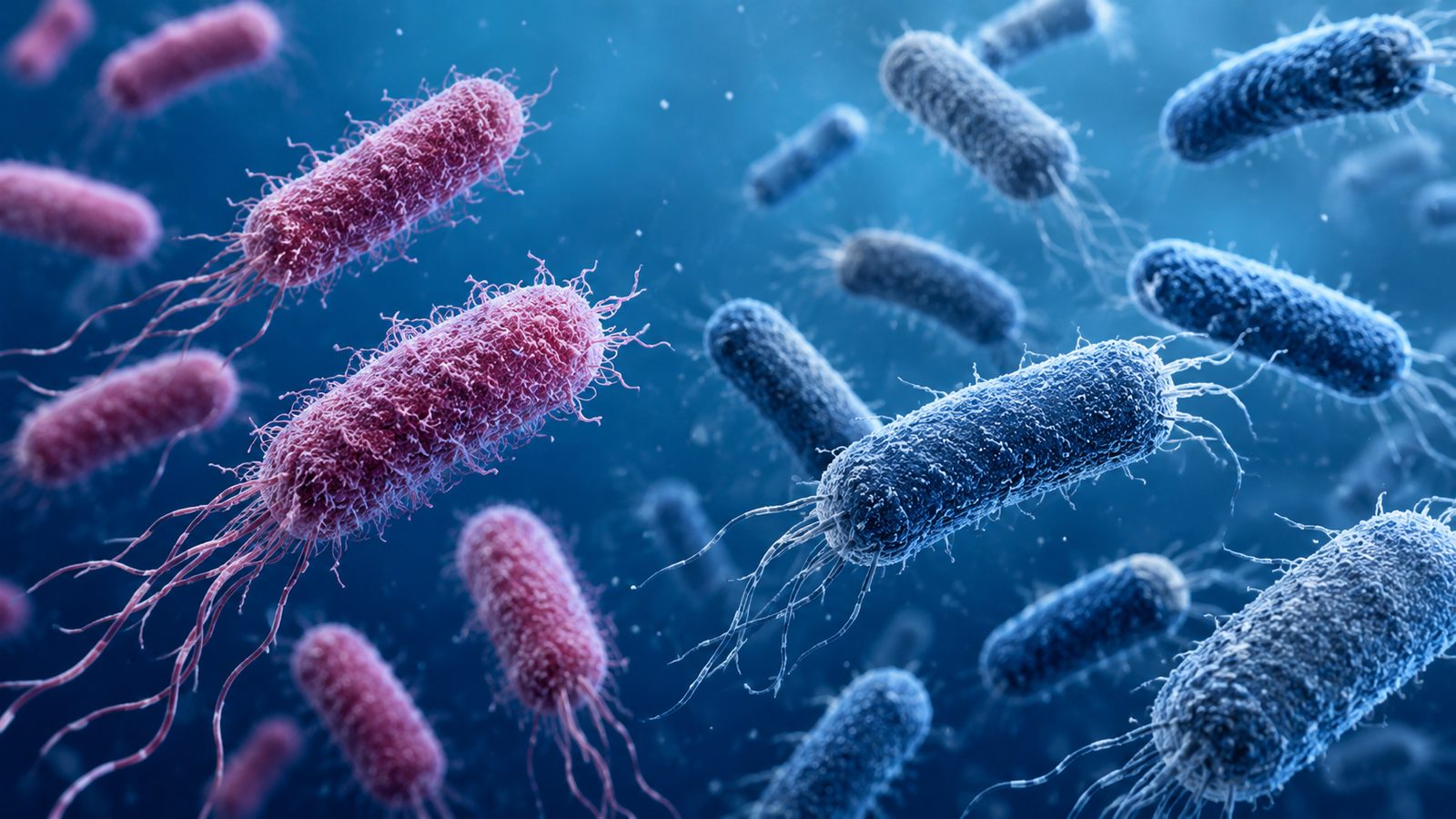
E. coli and salmonella

Control E. coli & Salmonella

Achieves 6-log removal of E. coli and eliminates salmonella in less than 10 seconds of contact by generating hydroxyl radical ions.

Learn more
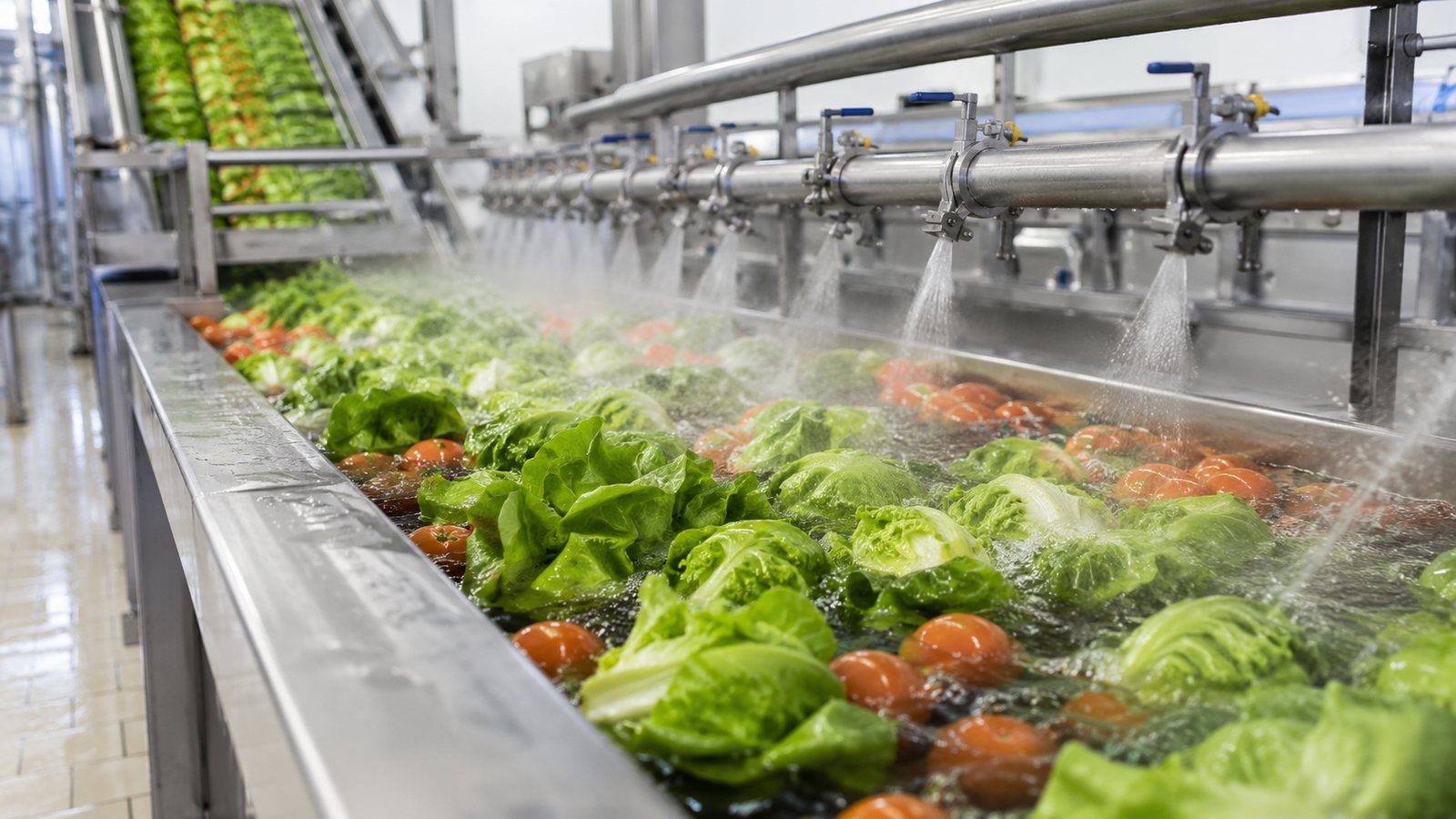
Post-harvest disinfection

In-Field / Post-Harvest Disinfection

Using ORP between +650 mV and +750 mV, JC 9465 creates a disinfection barrier for field harvesting and post-harvest operations.

Learn more
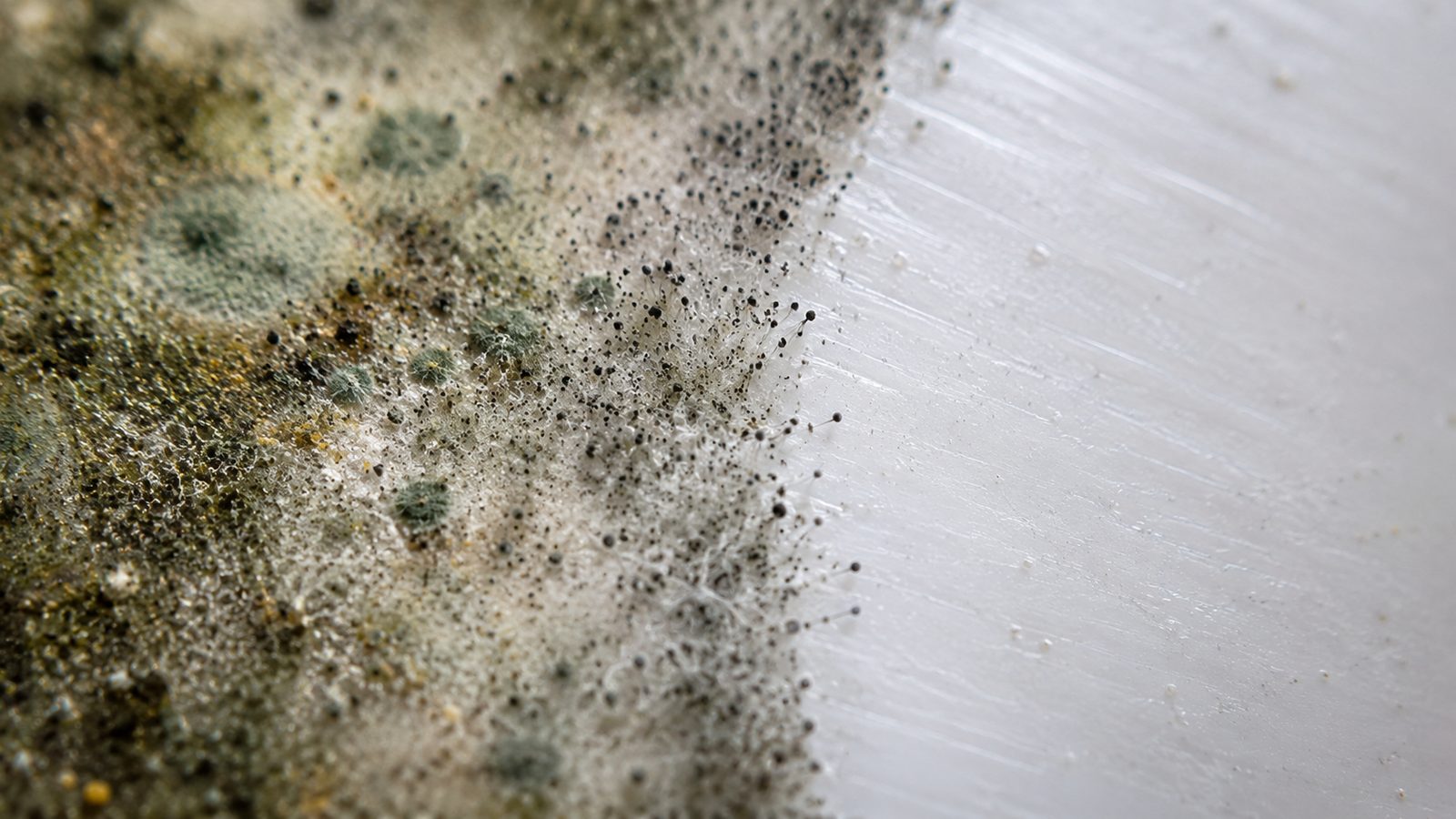
Mold and mildew

Reducing Mold & Mildew

Oxidative energy penetrates mold and mildew without leaving residue on treated surfaces.

Learn more
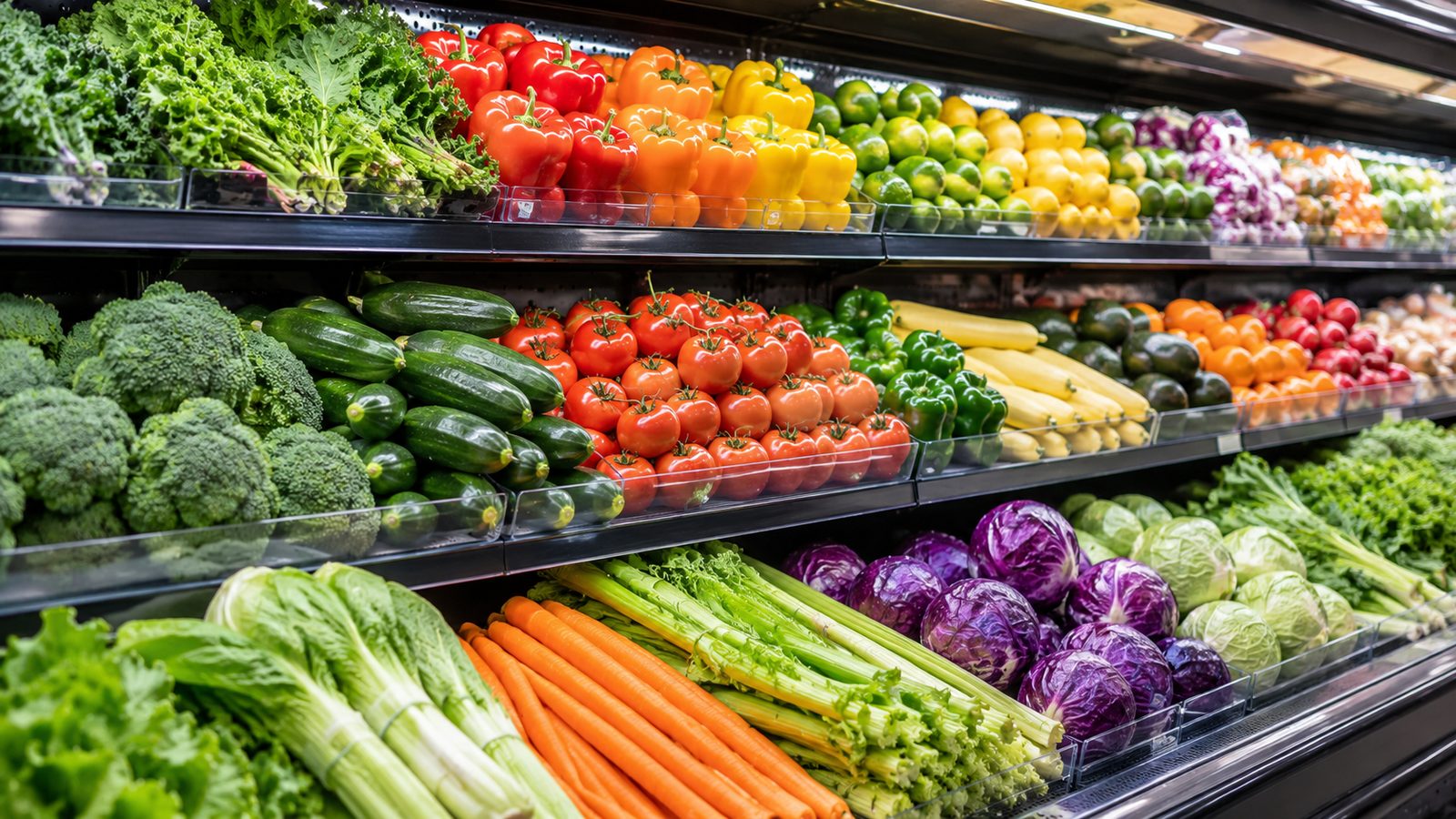
Fresh produce

Increasing Shelf Life

Reduces bacteria and mold that cause spoilage, inactivating organisms without changing taste and supporting longer produce life.

Learn more
Disinfectant

Disinfectant

A liquid disinfectant delivering rapid pathogen inactivation for food products, produce handling, and process water.

Learn more
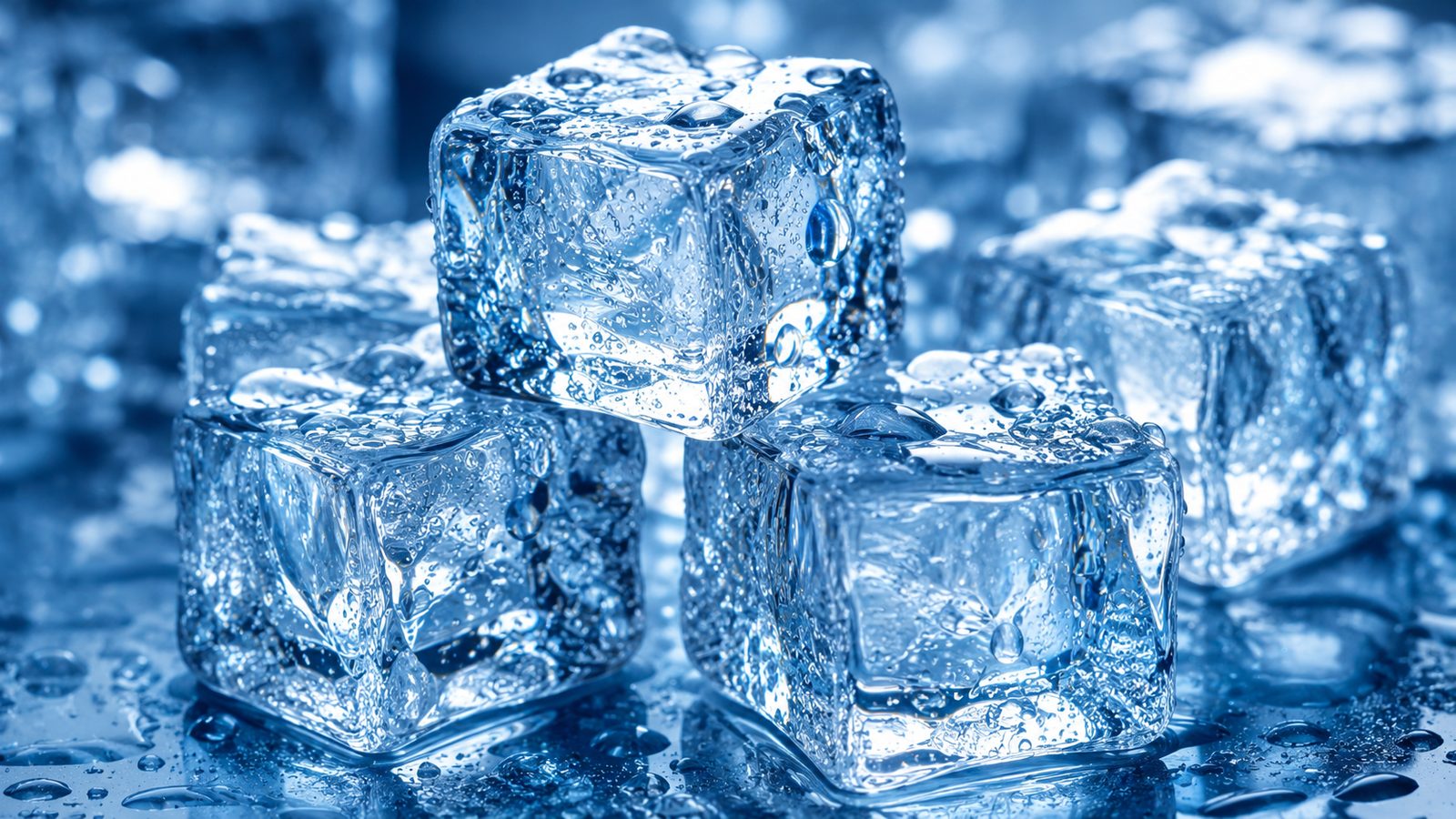
Ice-making systems

Ice-Making System Treatment

JC 9465 raises the ORP of water used to make ice, providing oxidative energy as the ice melts to help inactivate organic pathogens.

Learn more
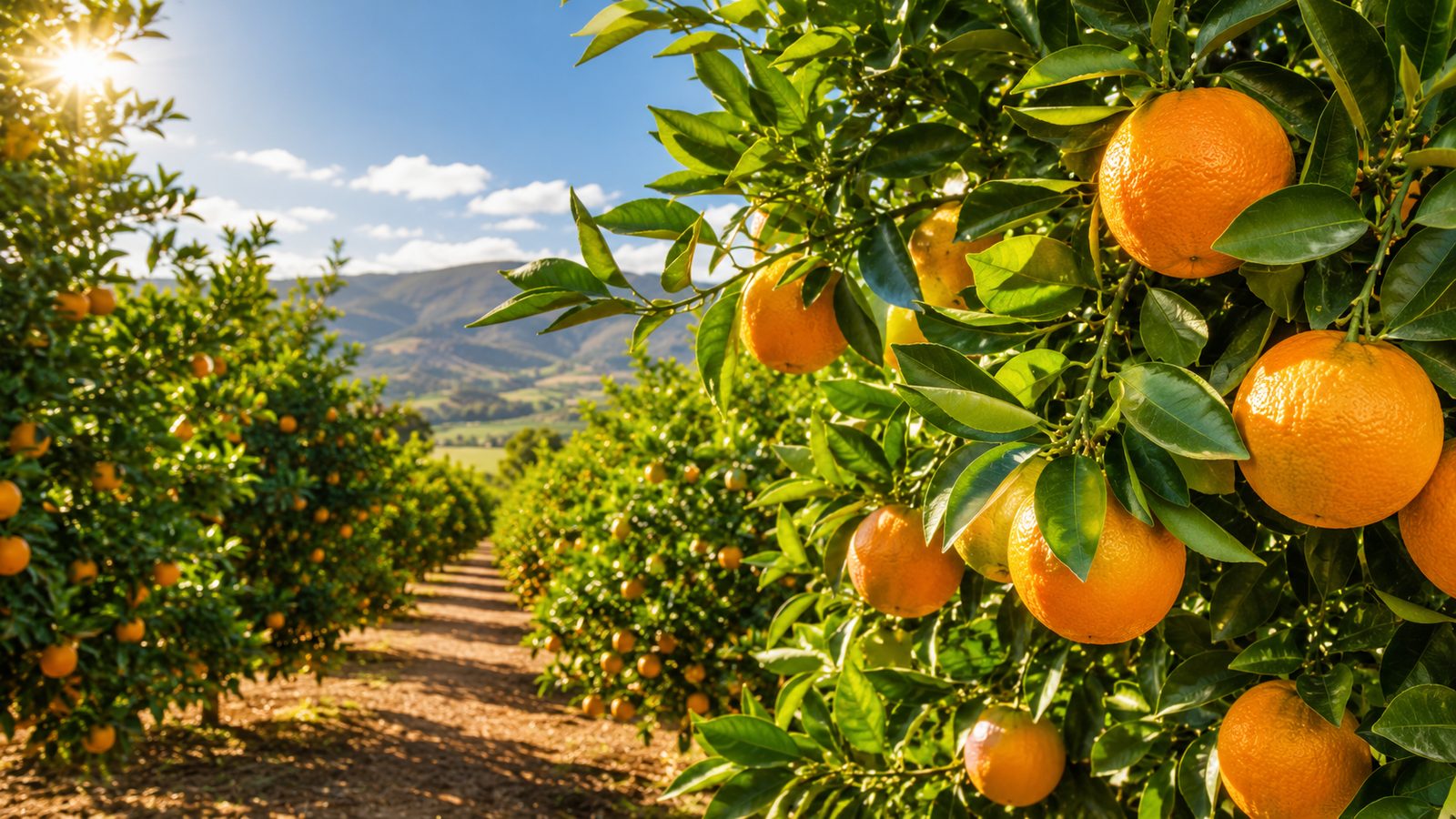
Citrus canker

Control Citrus Cankers

Applied in agricultural settings to help control citrus cankers and reduce pathogen pressure on crops.

Learn more

Questions

Mineral oxychloride, explained.

How can a liquid match the oxidation of ozone?

Oxidation power is set by oxidation potential, not by physical state. Mineral oxychloride carries weakly bound oxygen that releases a family of reactive oxygen species — including the hydroxyl radical — on contact, giving it a 2.8–2.9 V potential above ozone’s 2.07 V. It achieves that as a stable liquid rather than a gas that must be generated on site.

How is the dose controlled?

By oxidation-reduction potential (ORP) in millivolts. Kill efficacy tracks ORP rather than parts-per-million alone, so the program is metered to a target barrier — for example above +700 mV for a 6-log disinfection barrier — giving predictable, repeatable results.

Is it approved for drinking water and organic use?

Yes. JC 9465 is EPA FIFRA registered (2020), USDA NOP Organic certified (2021, 7 CFR Part 205), and USEPA water approved. The same chemistry as JC 9450 is NSF/ANSI Standard 60 certified for drinking water at a maximum dose of 84 mg/L.

Does it leave a residual like chlorine, or dissipate like ozone?

It leaves a residual. The mineral-oxide by-products of the reaction are mildly biocidal and resist recontamination — something ozone cannot do because it dissipates almost immediately — while remaining below FDA limits.

How does the cost compare to an ozone system?

For equivalent oxidation, the delivered cost is under one percent of a conventional ozone system, with no gas generation, no on-site handling of a hazardous gas, and a six-month shelf life versus roughly thirty days for sodium hypochlorite.

Let's talk water.

Need reliable treatment for an industrial facility, municipality, agricultural operation, or food process? We can help with quotes, safety data sheets, technical questions, and project scoping.

Contact Us