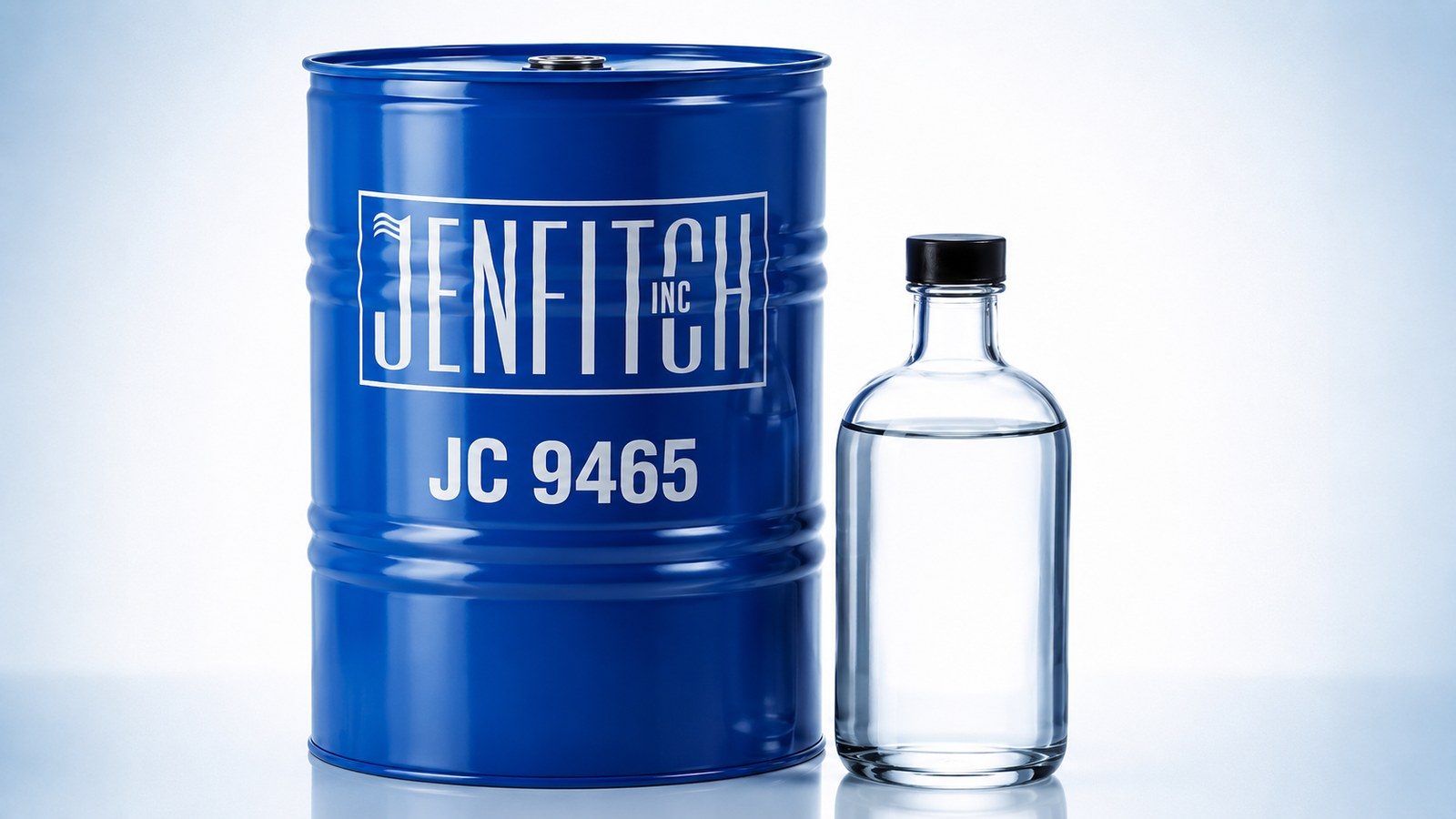
Biofilms, colonies of microbial cells and the extracellular polymers they produce, are a critical but often underestimated factor in industrial water treatment. JC 9465 is an advanced oxidizing biocide and biodispersant engineered to control them where chlorine alone fails.
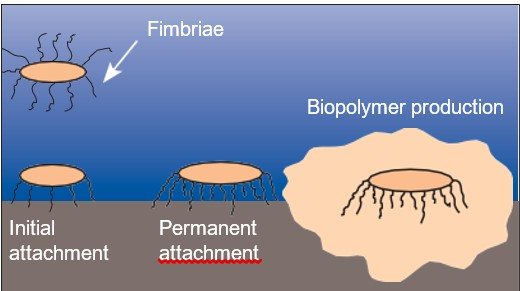
What is a biofilm?
A biofilm comprises microbial cells (algal, fungal, or bacterial) and the extracellular biopolymer they produce. Bacterial biofilms present the greatest concern for industrial cooling water systems because they require minimal nutrients to grow.
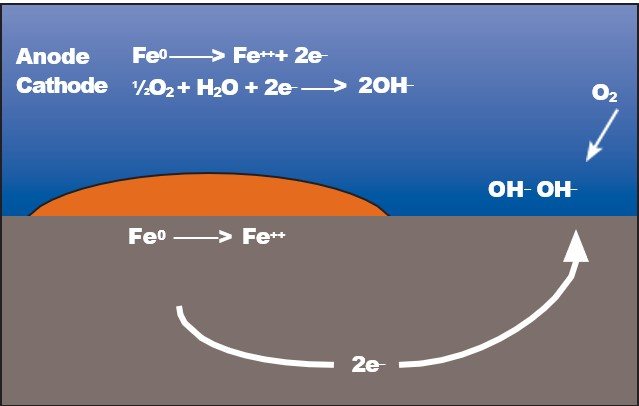
Problems caused by biofilms
- Reduced heat transfer efficiency
- Equipment fouling
- Corrosion acceleration
- Scale formation
- Blockage of flow in cooling tower fill areas
Thermal conductivity comparison
Biofilm insulates heat exchange surfaces far more than mineral scale. Its thermal conductivity is only 0.6 W m⁻¹ K⁻¹, compared with CaCO₃ at 2.6 and CaSO₄ at 2.3.
Biofilm's thermal conductivity is just 0.6 W m⁻¹ K⁻¹, compared with 2.6 for CaCO₃ and 2.3 for CaSO₄ scale.
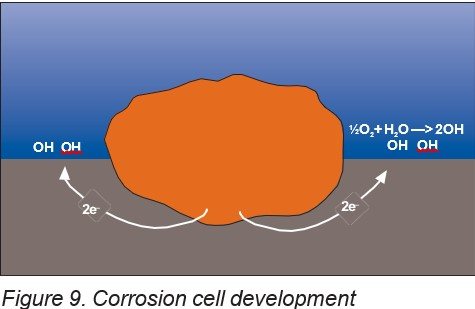
Control methods
- Oxidizing microbiocides such as chlorine, bromine, peracetic acid, and ozone
- Nonoxidizing microbiocides such as polyquats and others
- Biodispersants and enzyme technologies
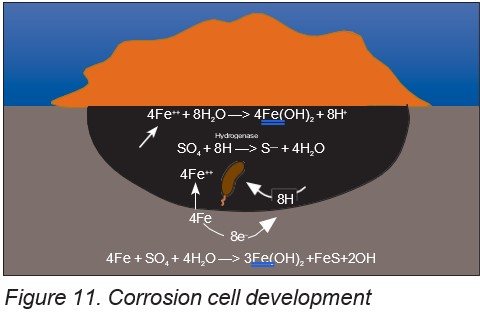
JC 9465 specifications
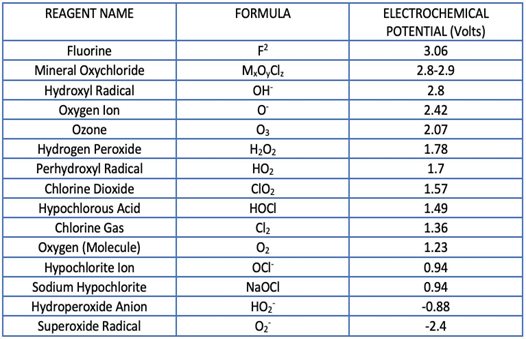
JC 9465 is an advanced oxidizing biocide with a superior electrochemical oxidation potential:
- JC 9465: 2.7-2.8 volts
- Ozone: 2.07 volts
- Sodium hypochlorous acid: 1.36 volts
The product has proven effective across paper, cooling water, food and beverage, utilities, and oil and gas applications where chlorine alone failed.
Have a water challenge like this?
Talk to Jenfitch about JC 9465, safety data sheets, or scoping a treatment program for your facility.
Contact Us