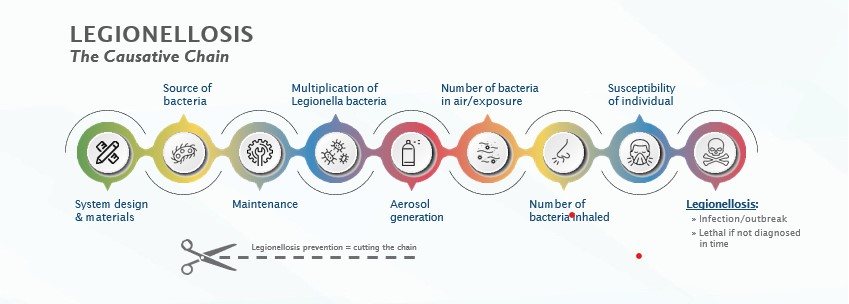
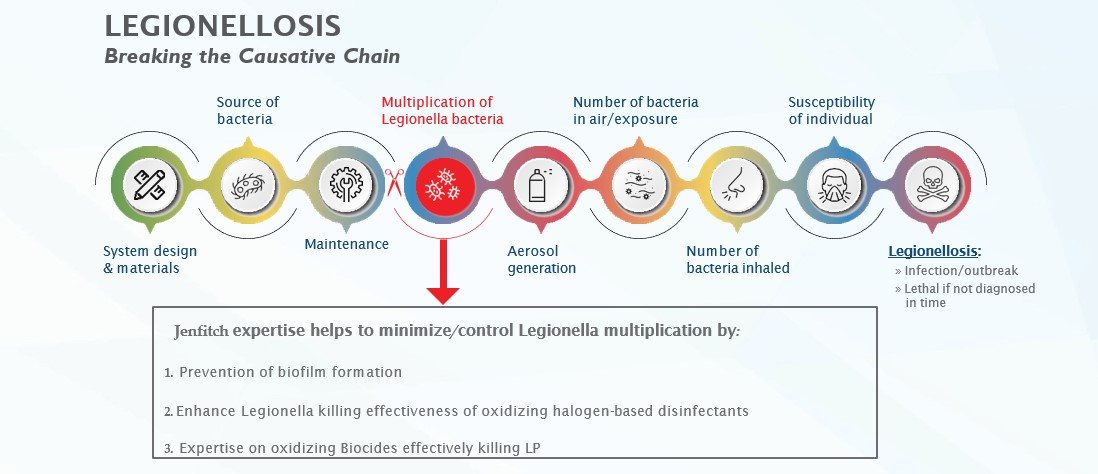
Legionellosis remains one of the most dangerous waterborne threats in modern building and industrial water systems. Breaking the chain of infection means controlling the biofilm where the bacteria hide and multiply.
A brief history
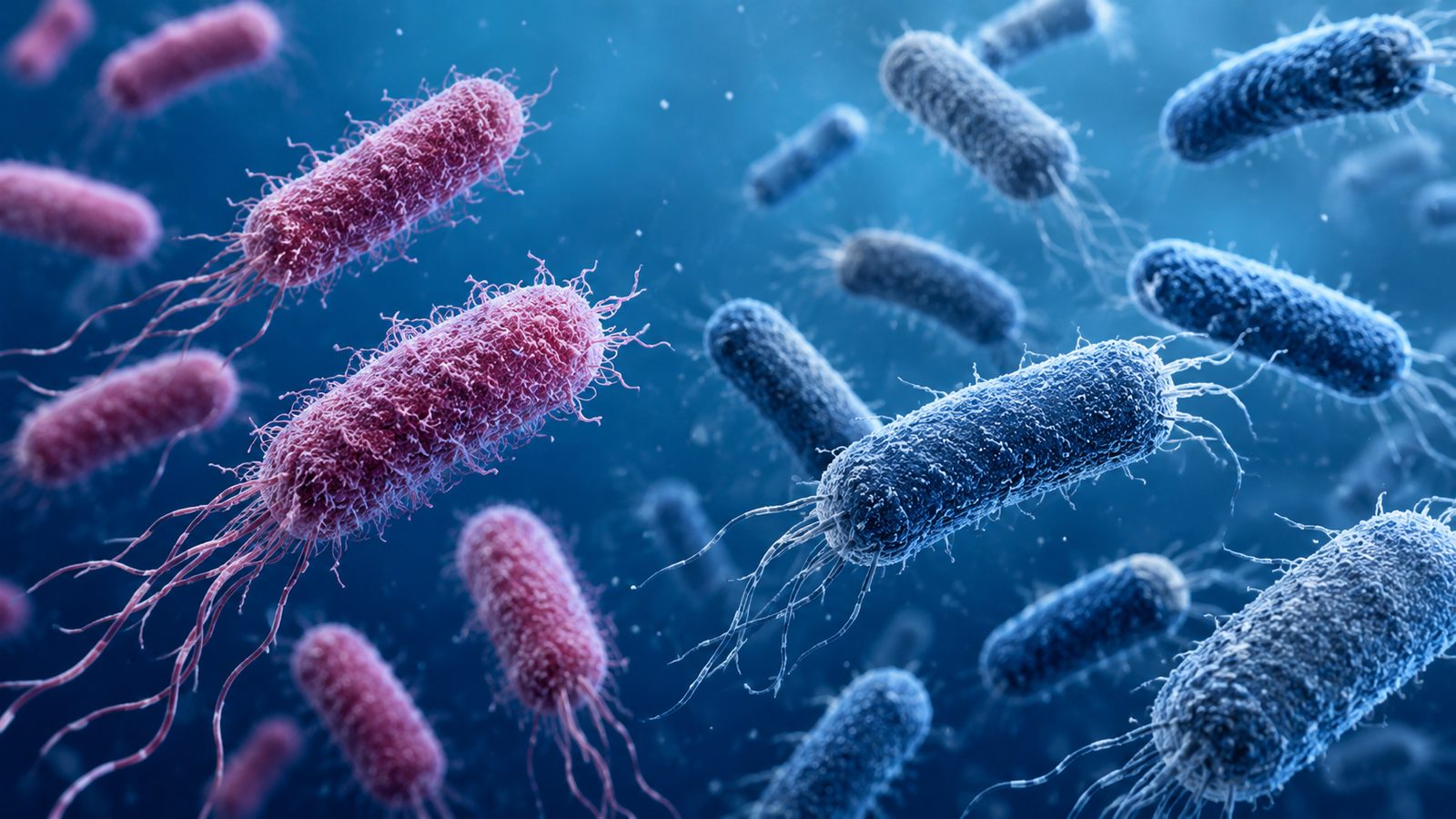
Legionnaires' disease traces back to a 1976 American Legion convention in Philadelphia, where 221 people fell ill and 34 died. The CDC identified the bacterium Legionella in 1977. Cases in the U.S. have grown nearly 450 percent since 2000.
The disease
Two conditions result from Legionella infection: Legionnaires' disease, a potentially fatal pneumonia, and Pontiac Fever, a mild flu-like illness. Symptoms appear 2 to 10 days after exposure and may include cough, shortness of breath, fever, chills, headaches, muscle aches, and gastrointestinal illness. The WHO reports a 12 percent fatality rate in Europe.
Transmission and risk
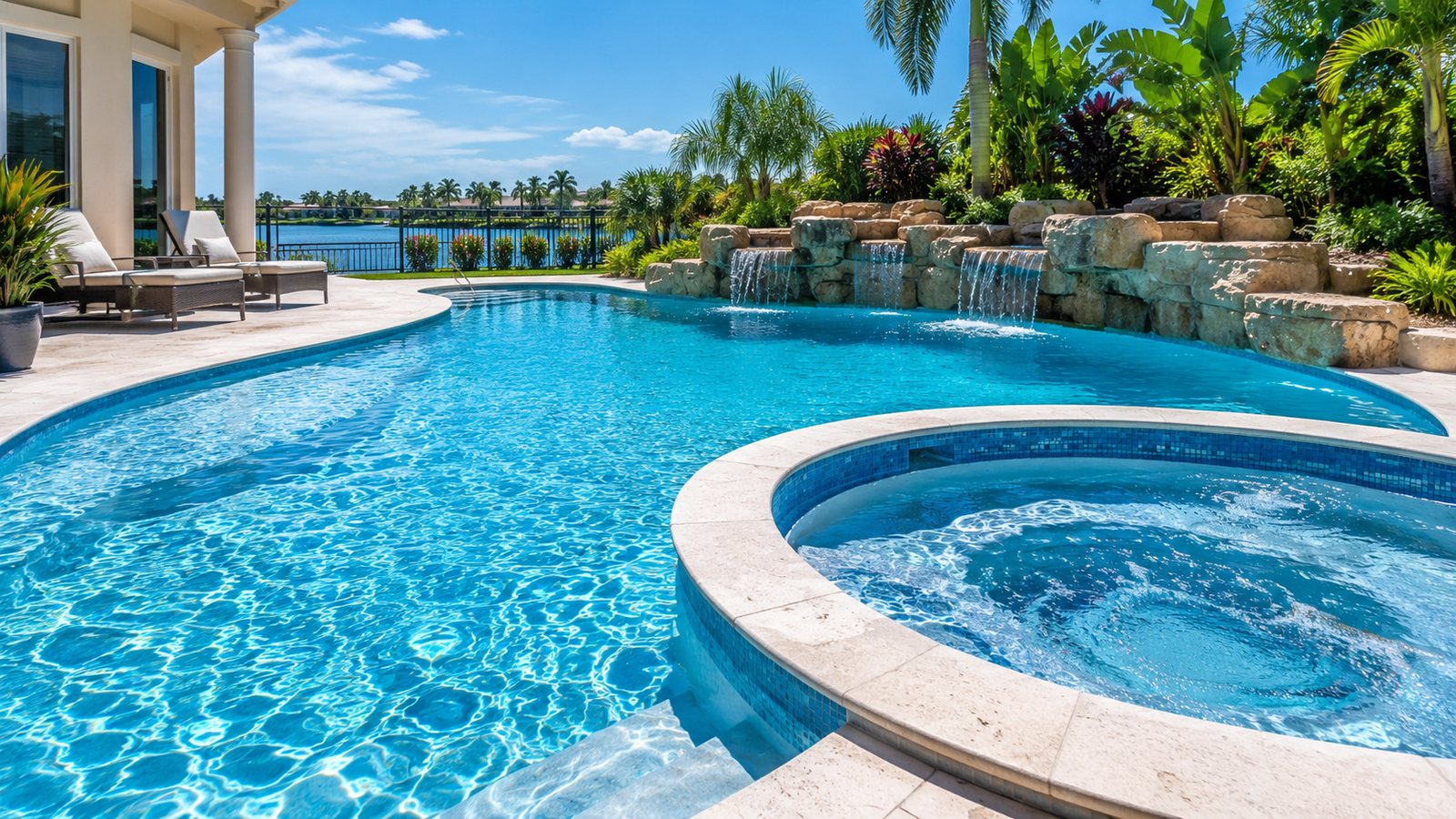
Infection occurs through aerosolized water droplets less than five microns in diameter, produced by showerheads, hot tubs, cooling towers, and fountains. High-risk populations include people over 50, smokers, and those with compromised immunity.
The critical challenge: biofilm
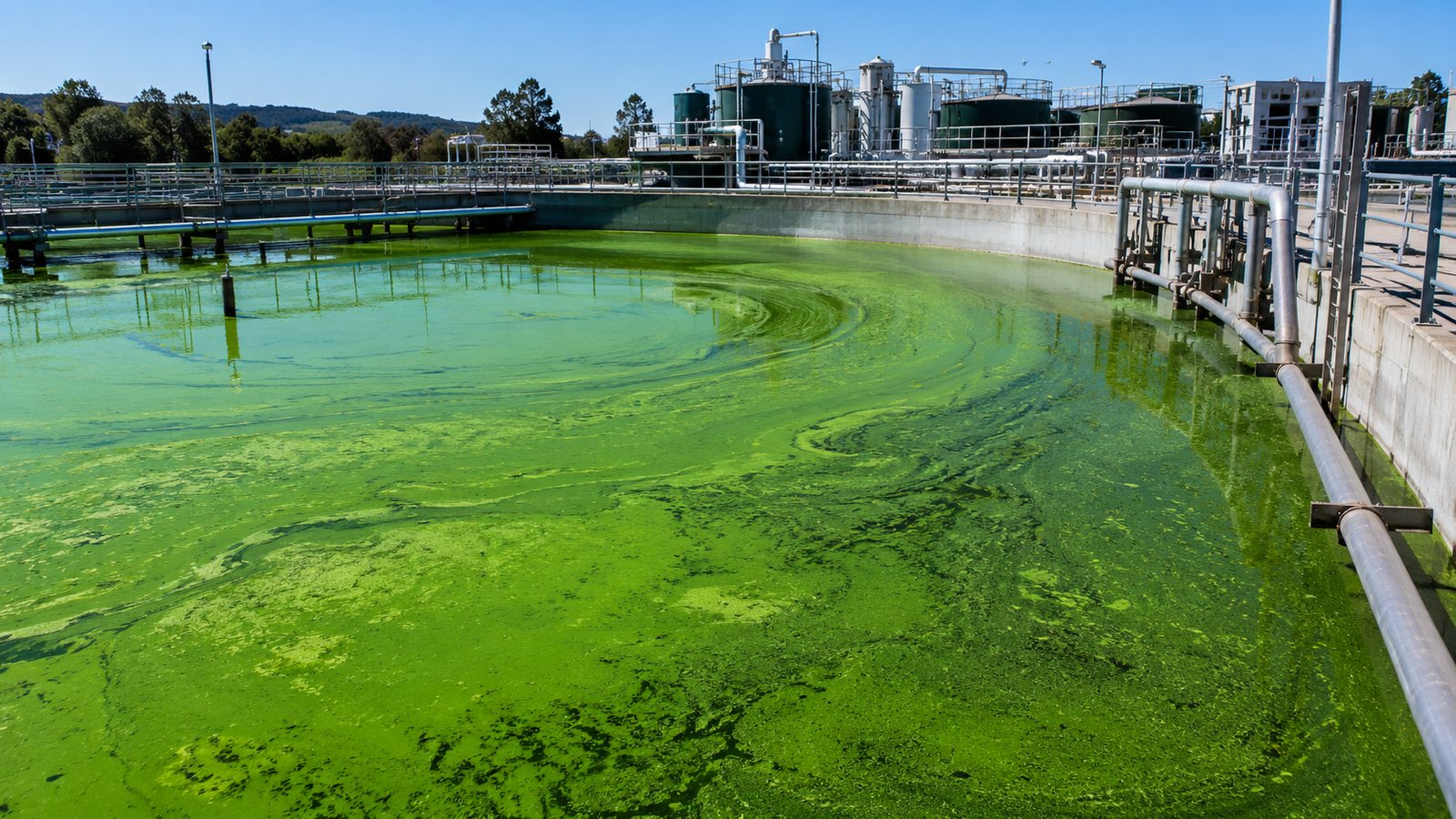
Approximately 90 percent of Legionella bacteria reside in biofilm rather than in the water stream. Biofilms provide protection and enable bacterial multiplication, particularly in warm water systems, with an optimum temperature of 37°C (98.6°F). Within biofilms, Legionella can infect amoebae, gaining enhanced resistance to treatments.
Approximately 90 percent of Legionella bacteria reside in biofilm rather than in the water stream.
Breaking the chain with mineral oxychloride chemistry
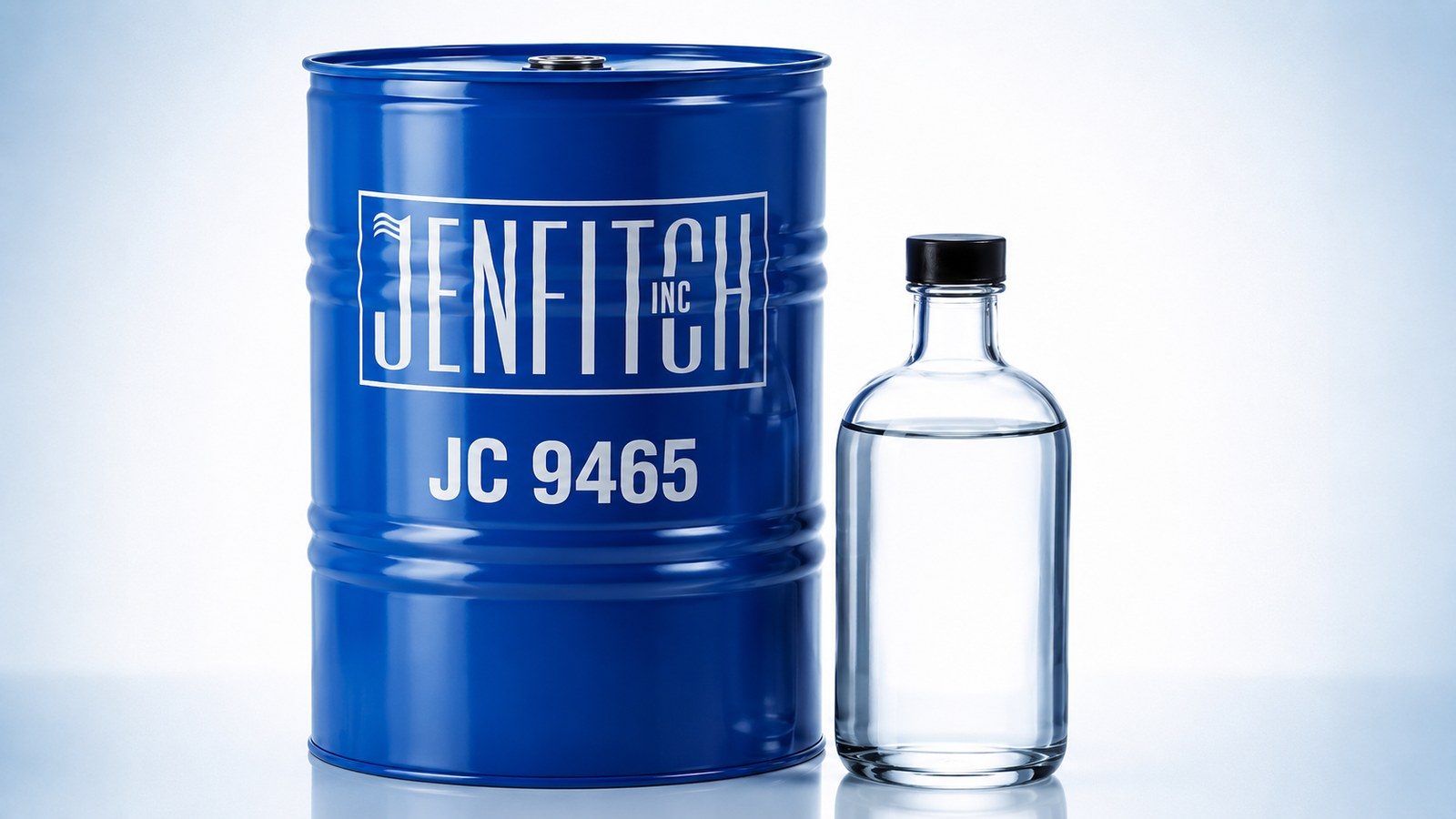
Controlling Legionella means controlling biofilm. Jenfitch's mineral oxychloride chemistry, delivered through the JC 9465 product, is engineered to attack biofilm directly. It:
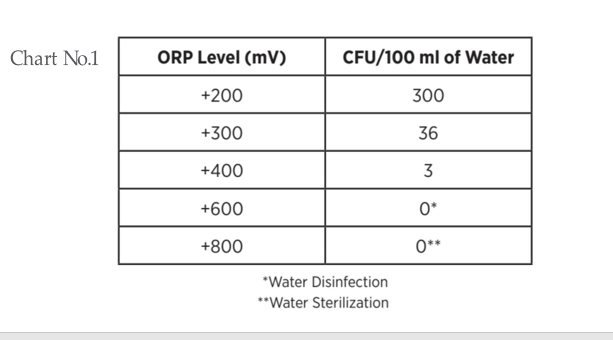
- Achieves a 6-log reduction of legionellosis in less than 10 seconds at ORP levels above +700 mV
- Generates hydroxyl radical ions and singlet oxygen ions
- Has an electrochemical voltage of 2.7 to 2.8 volts, compared to ozone at 2.07 volts and sodium hypochlorite at 0.94 mV
- Holds NSF approval, EPA biocide registration, and USDA Organic certification
Have a water challenge like this?
Talk to Jenfitch about JC 9465, safety data sheets, or scoping a treatment program for your facility.
Contact Us