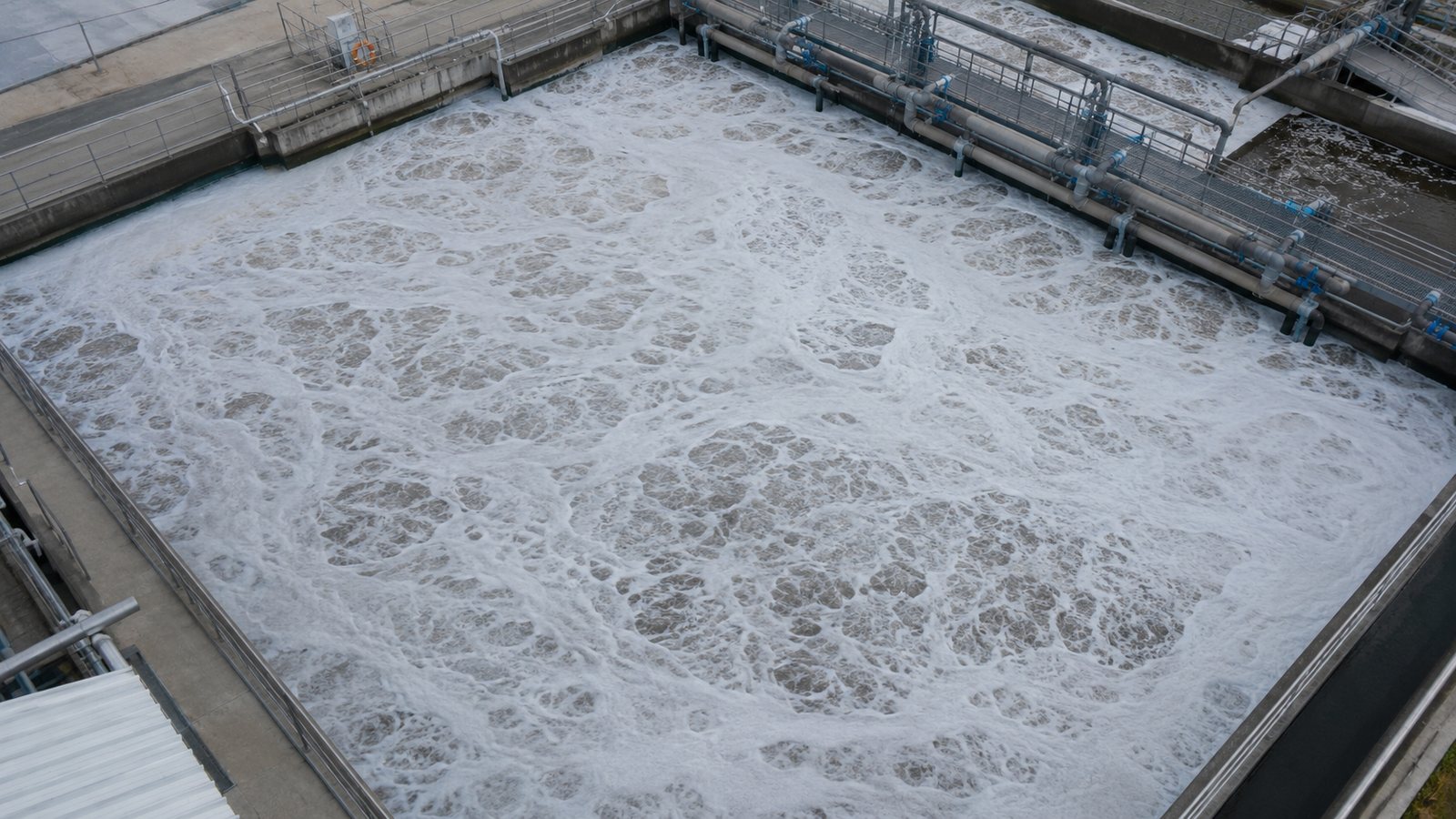
Foam is one of the most stubborn operational challenges in wastewater treatment. It carries solids into the effluent, disrupts secondary clarification, creates odor problems, and even poses safety hazards for operators.
The root causes of foam
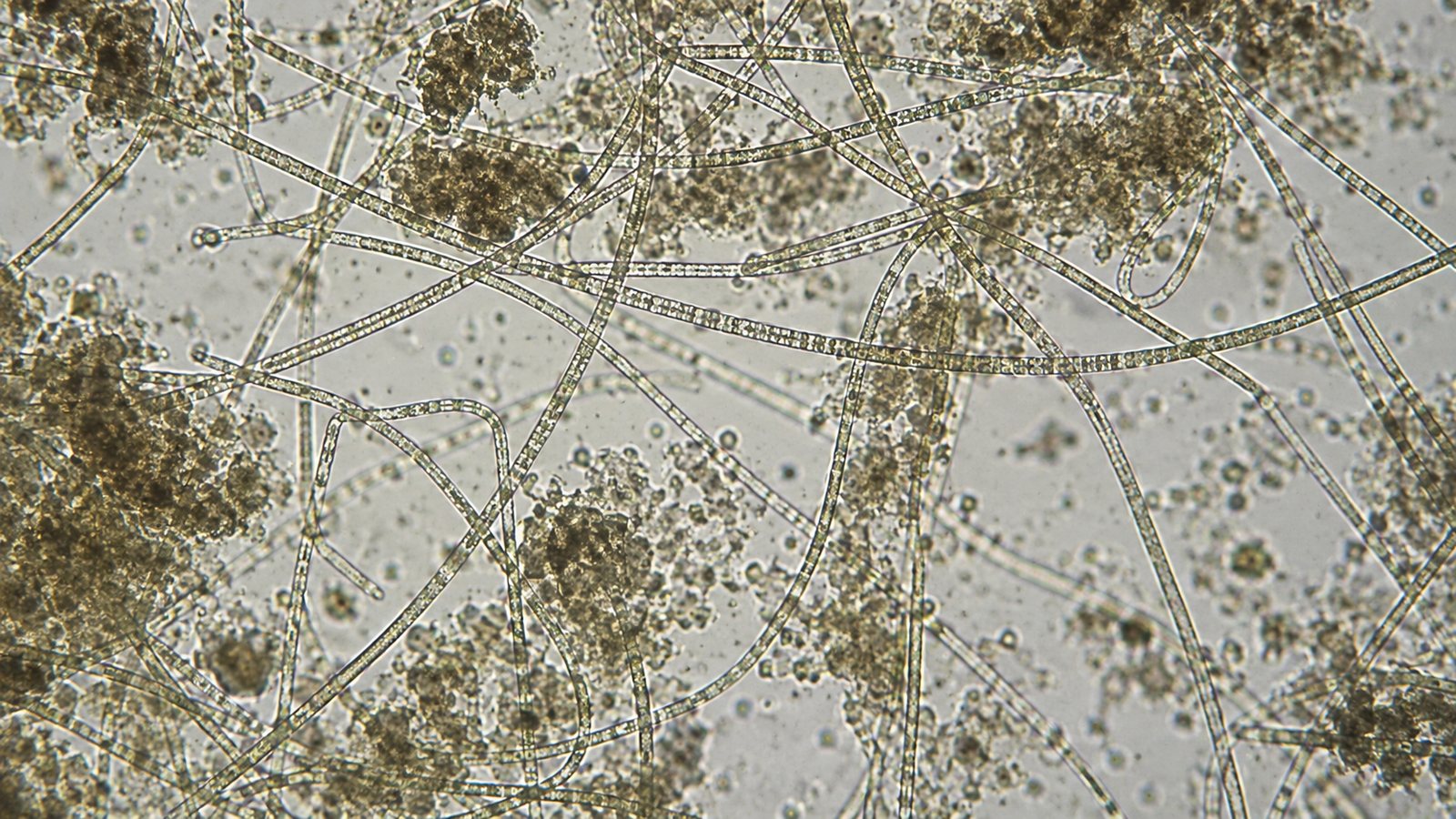
Foam develops from filamentous bacteria such as Nocardia and Microthrix parvicella, along with EPS (Extra Polymeric Substances)—sticky compounds that stabilize biofilms and make foam persistent. Because these substances resist conventional treatment, foam often returns even after operators knock it down.
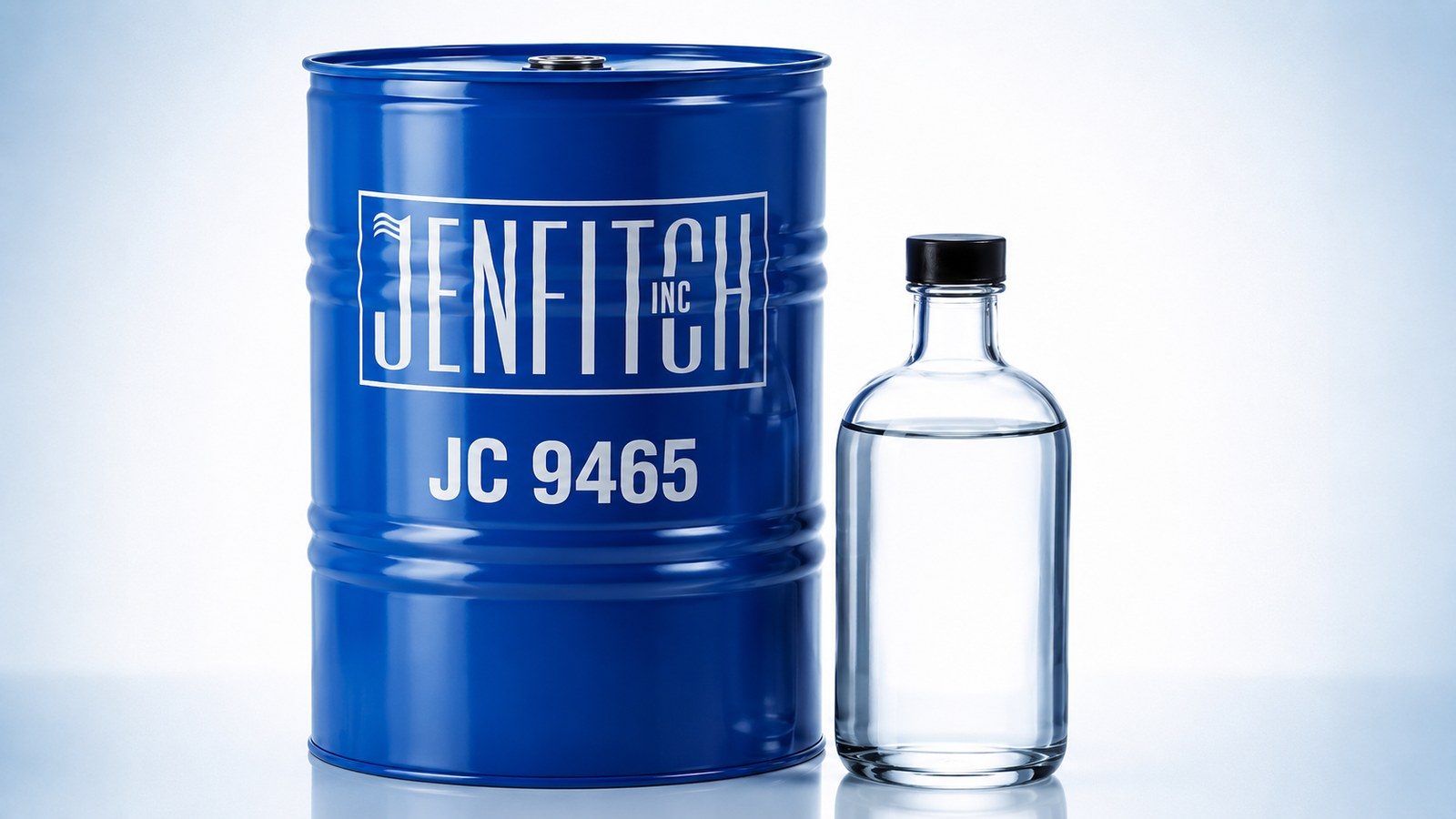
The solution: JC-9465
JC-9465 is a mineral oxychloride solution that generates hydroxyl radical ions with an oxidation potential of 2.7 eV, compared to ozone (2.04 eV) or sodium hypochlorite (1.34 eV). This exceptional reactivity lets it break down the structures that make foam persistent.
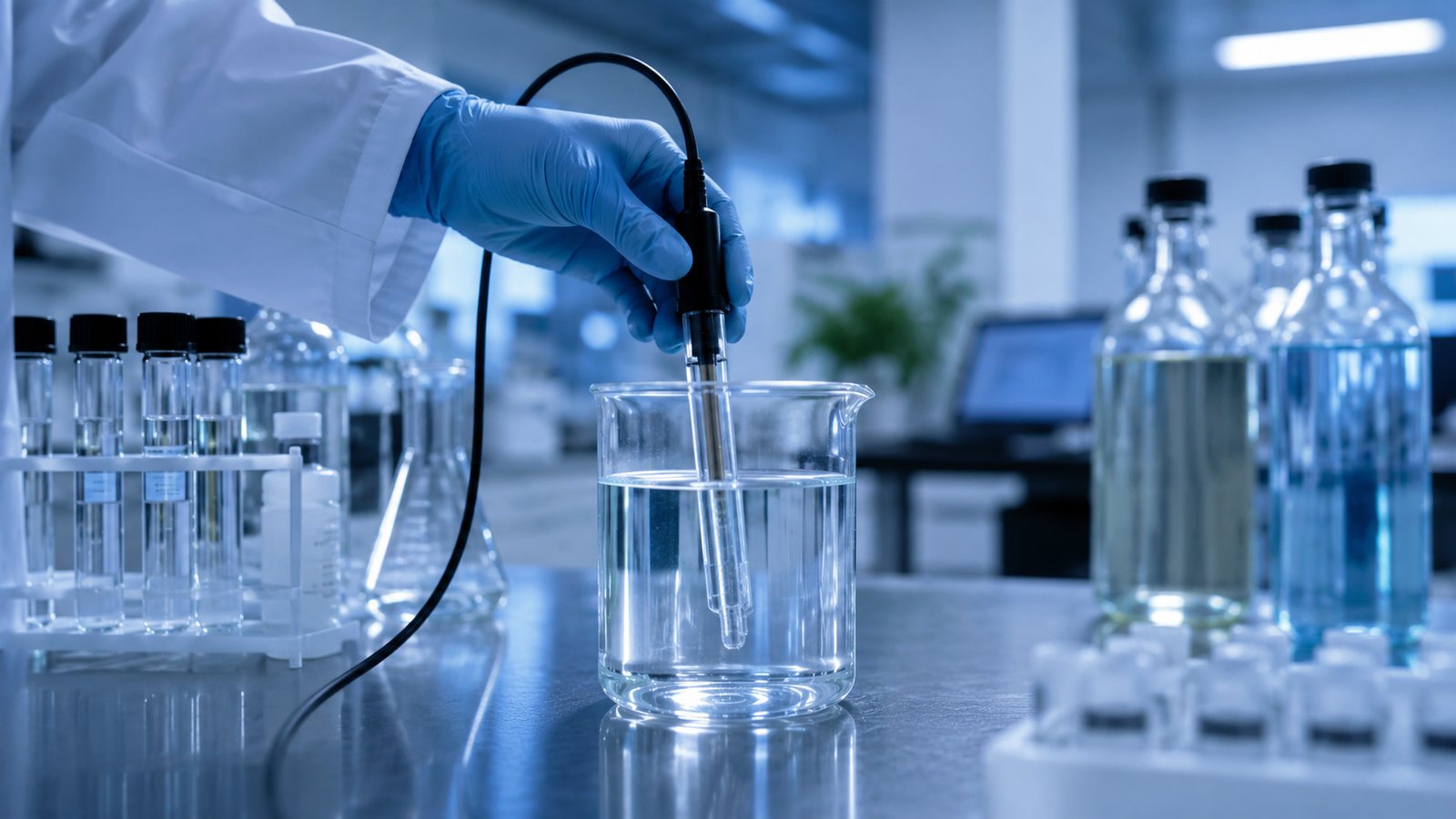
Studies achieved a 6-log reduction of Legionella in less than 30 seconds, with ORP measurements exceeding +680 mV.
How it works
- Disrupts the EPS matrix that stabilizes foam
- Selectively targets foam-causing filamentous bacteria
- Preserves beneficial floc-forming microbes
- Provides residual oxidative protection
Demonstrated performance
Studies achieved a 6-log reduction of Legionella in less than 30 seconds, with ORP measurements exceeding +680 mV, demonstrating rapid biofilm breakdown.
Advantages over traditional methods
Unlike water sprays, defoamers, or chlorination, JC-9465 addresses the root causes of foam with longer-lasting results and fewer environmental risks.
Have a water challenge like this?
Talk to Jenfitch about JC 9465, safety data sheets, or scoping a treatment program for your facility.
Contact Us