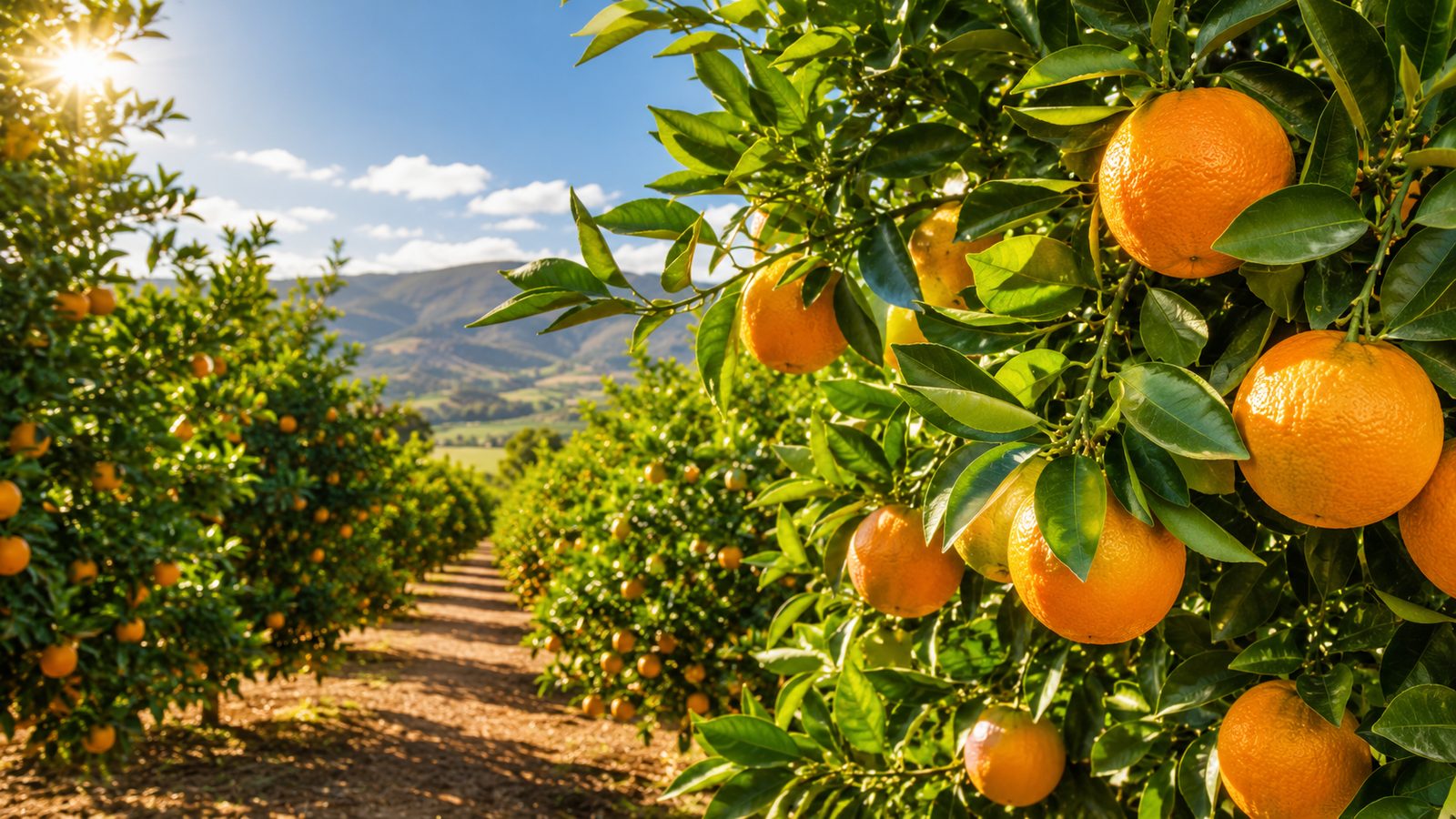
A field study with GreenAgri Solutions, LLC in Florida tested JC 9465, a mineral oxychloride disinfectant, against the bacteria affecting fruit trees. The reactive oxygen species (ROS) oxidant offers a natural defense against Xylella fastidiosa and related citrus disease.
The field study
Keith Warren conducted four years of experimental testing on Huanglongbing (HLB) control. During a 90-day trial, the citrus orchard used root flood irrigation three times weekly with a +750mV solution (25 mg/l of JC 9465), plus evening fogging twice weekly at 3 oz per gallon of water. Within three weeks, treated trees began developing new foliage and fruit production resumed.
How JC 9465 works
JC 9465 functions as a reactive oxygen species (ROS) oxidant. It generates a hydroxyl radical ion that attacks the extra-polymeric substance (EPS) protecting bacterial biofilms, then follows with oxidative attack on bacterial DNA to prevent replication.
Scientific context
Research from Rutgers University, co-authored by James White, documented how specific soil bacteria stimulate root hair growth through ethylene production and nitrogen cycling via superoxide-nitric oxide interactions.
Efficacy data
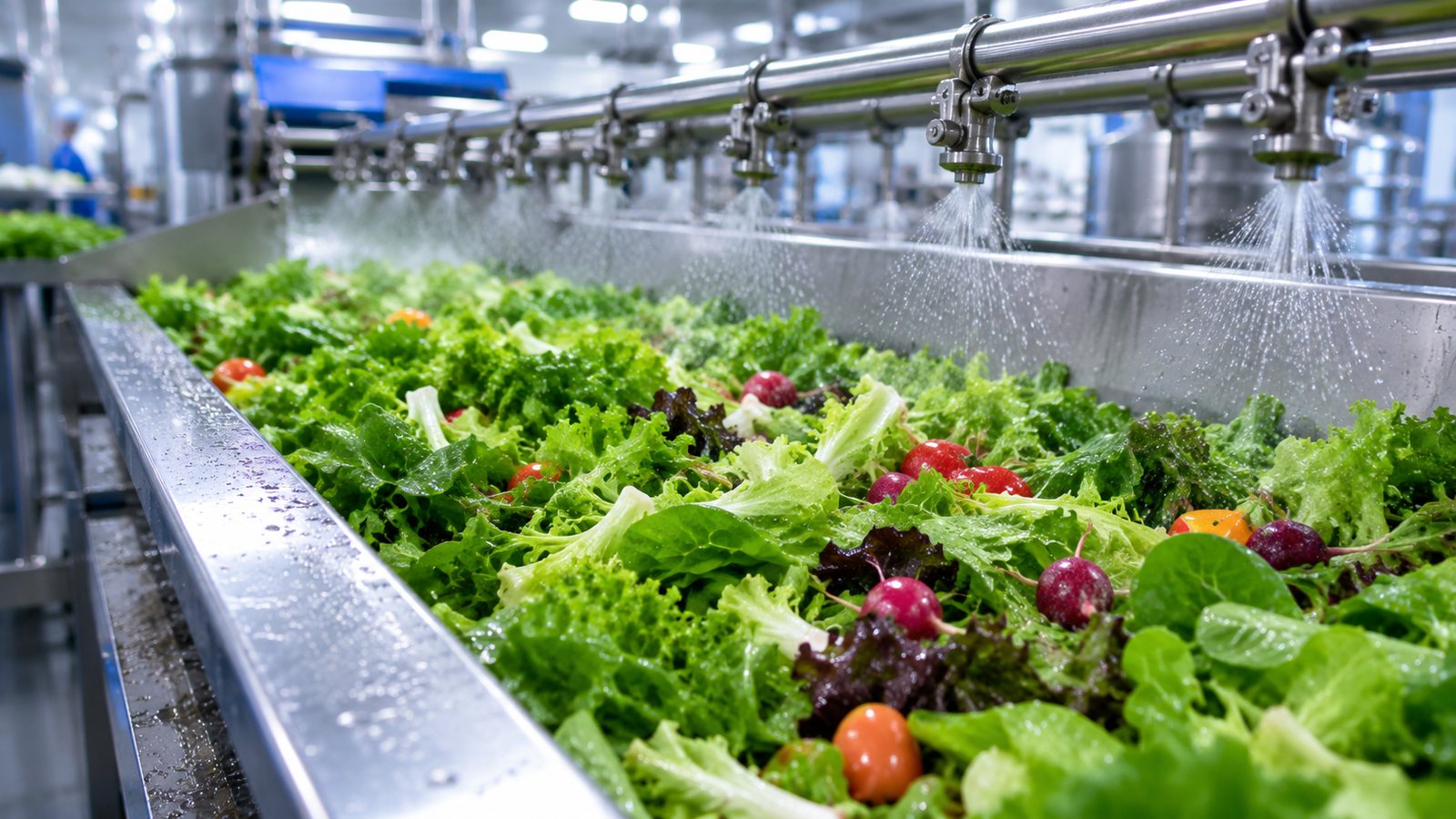
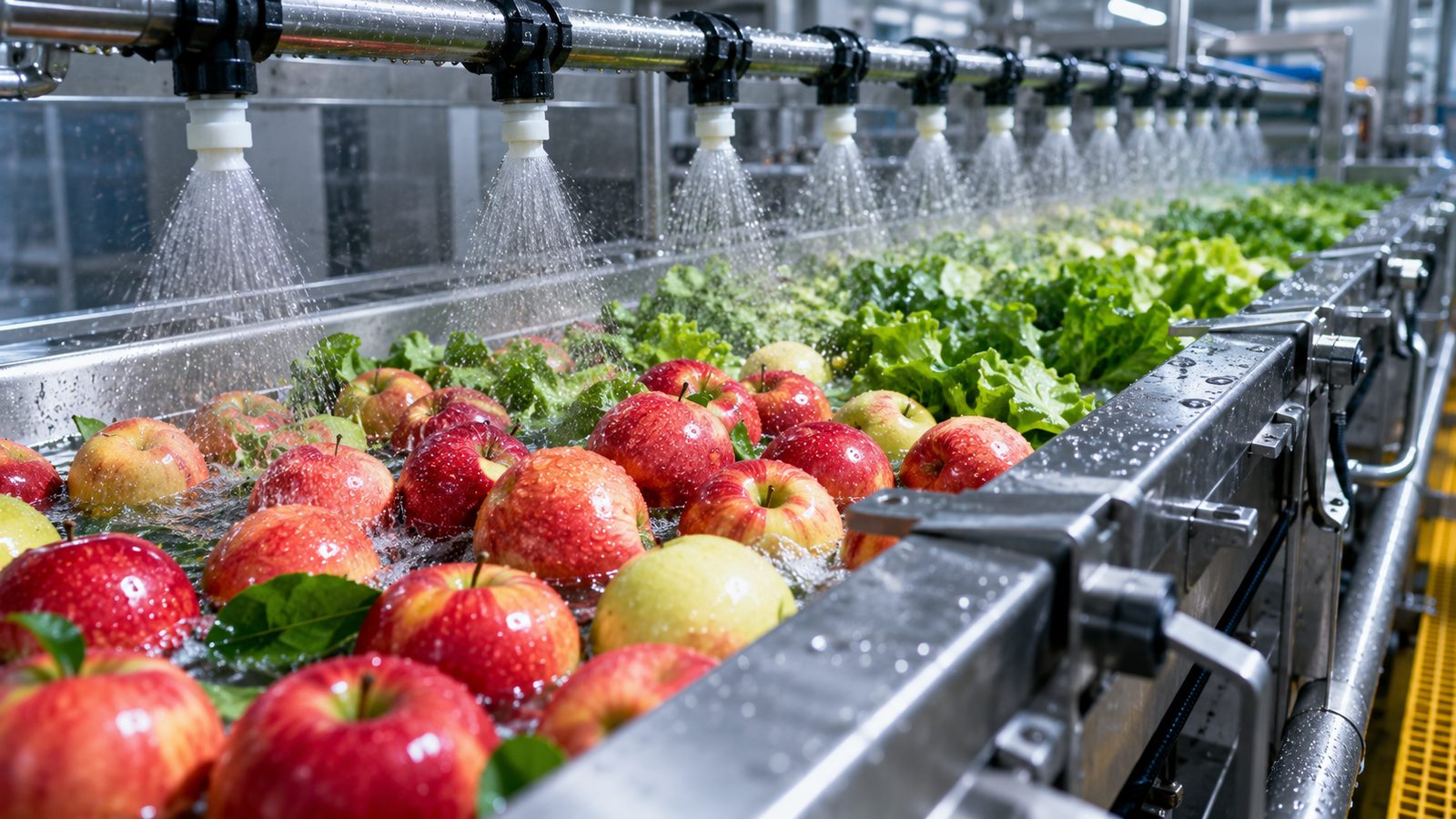
Studies at UC Davis indicated JC 9465 at +700mV inactivated E. coli and salmonella in less than 10 seconds. Hydroxyl radical ions are twice as potent as chlorine.
At +700mV, JC 9465 inactivated E. coli and salmonella in less than 10 seconds.
Have a water challenge like this?
Talk to Jenfitch about JC 9465, safety data sheets, or scoping a treatment program for your facility.
Contact Us